
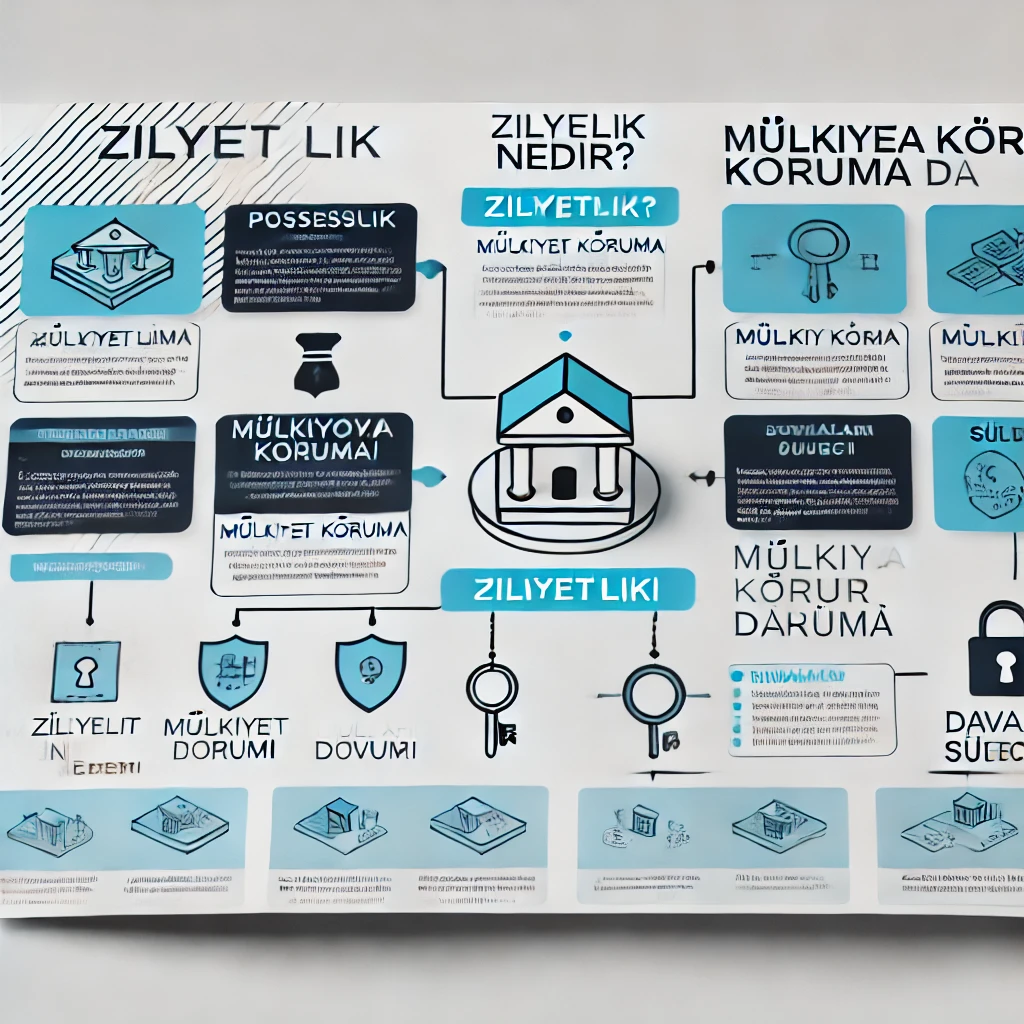
Eşya Hukukunda Zilyetlik ve Mülkiyet Koruma Davaları
Giriş
Eşya hukuku, taşınmaz ve taşınır malların mülkiyetini ve kullanımını düzenleyen hukukun bir dalıdır. Bu alanda, zilyetlik ve mülkiyet koruma davaları önemli bir yere sahiptir. Zilyetlik, bir eşyanın fiziksel hâkimiyetini ifade ederken, mülkiyet koruma davaları ise mülkiyet hakkının korunmasına yönelik hukuki süreçlerdir.
Zilyetlik Nedir?
Zilyetlik, bir kişinin bir eşya üzerindeki fiziksel hâkimiyetini ifade eder. Zilyet, bir eşyayı kullanan veya onun üzerinde kontrol sahibi olan kişidir. Zilyetlik, iki şekilde ortaya çıkar:
- Menkul Zilyetliği: Taşınır mallar üzerindeki zilyetliktir. Örneğin, bir arabanın sahibi olan kişi, o arabanın zilyetidir.
- Gayrimenkul Zilyetliği: Taşınmaz mallar üzerindeki zilyetliktir. Örneğin, bir evde oturan kişi, o evin zilyetidir.
Zilyetlik, mülkiyetin korunması için önemlidir. Zilyet olan kişi, eşyasını kötü niyetli kişilerden korumak için hukuki yollara başvurabilir.
Mülkiyet Koruma Davaları
Mülkiyet koruma davaları, mülkiyet hakkının ihlal edilmesi durumunda başvurulan hukuki süreçlerdir. Bu davalar, zilyetlikten farklı olarak mülkiyetin kendisini korumaya yöneliktir. Mülkiyet koruma davalarının başlıca türleri şunlardır:
- Zilyetlik Davası: Zilyetliği ihlal edilen kişi, zilyetlik hakkının tanınması için dava açabilir. Bu davada, zilyetliğin tespiti ve korunması talep edilir.
- Mülkiyet Davası: Mülkiyet hakkı ihlal edilen kişi, mülkiyet hakkının tanınması veya geri verilmesi amacıyla dava açabilir. Bu tür davalarda, malın mülkiyetinin kimde olduğu belirlenir.
- Zilyetliğin Korunması Davası: Zilyetliğin ihlali durumunda, zilyet olan kişi, eşyasının geri verilmesi veya korunması için dava açabilir. Bu dava, genellikle zilyetliğin kaybı veya ihlali durumlarında gündeme gelir.
Davaların Süreci
Mülkiyet koruma davaları, genellikle şu adımlarla ilerler:
- Dava Açma: İlgili kişi, mülkiyet veya zilyetlik hakkının ihlal edildiğini düşündüğünde, mahkemeye başvurarak dava açar.
- Delillerin Sunulması: Dava sürecinde, taraflar delillerini sunar. Zilyetlik veya mülkiyet hakkının kanıtlanması için belgeler, tanık ifadeleri veya diğer deliller kullanılabilir.
- Mahkeme Kararı: Mahkeme, sunulan deliller ışığında karar verir. Eğer zilyetlik veya mülkiyet hakkının ihlal edildiğine karar verilirse, zilyetliğin veya mülkiyetin korunmasına yönelik tedbirler alınır.
Sonuç
Eşya hukukunda zilyetlik ve mülkiyet koruma davaları, bireylerin haklarını korumak adına hayati bir öneme sahiptir. Zilyetlik, eşyanın fiziksel kontrolünü ifade ederken, mülkiyet koruma davaları bu hakların ihlal edilmesi durumunda başvurulan hukuki yollardır. Tarafların, haklarını savunmak için gerekli bilgi ve belgeleri hazırlayarak mahkemeye başvurması, mülkiyet haklarının korunmasında büyük önem taşır. Bu nedenle, bireylerin zilyetlik ve mülkiyet hakları konusunda bilinçli olmaları ve gerektiğinde hukuki yardım almaları önerilmektedir.


