
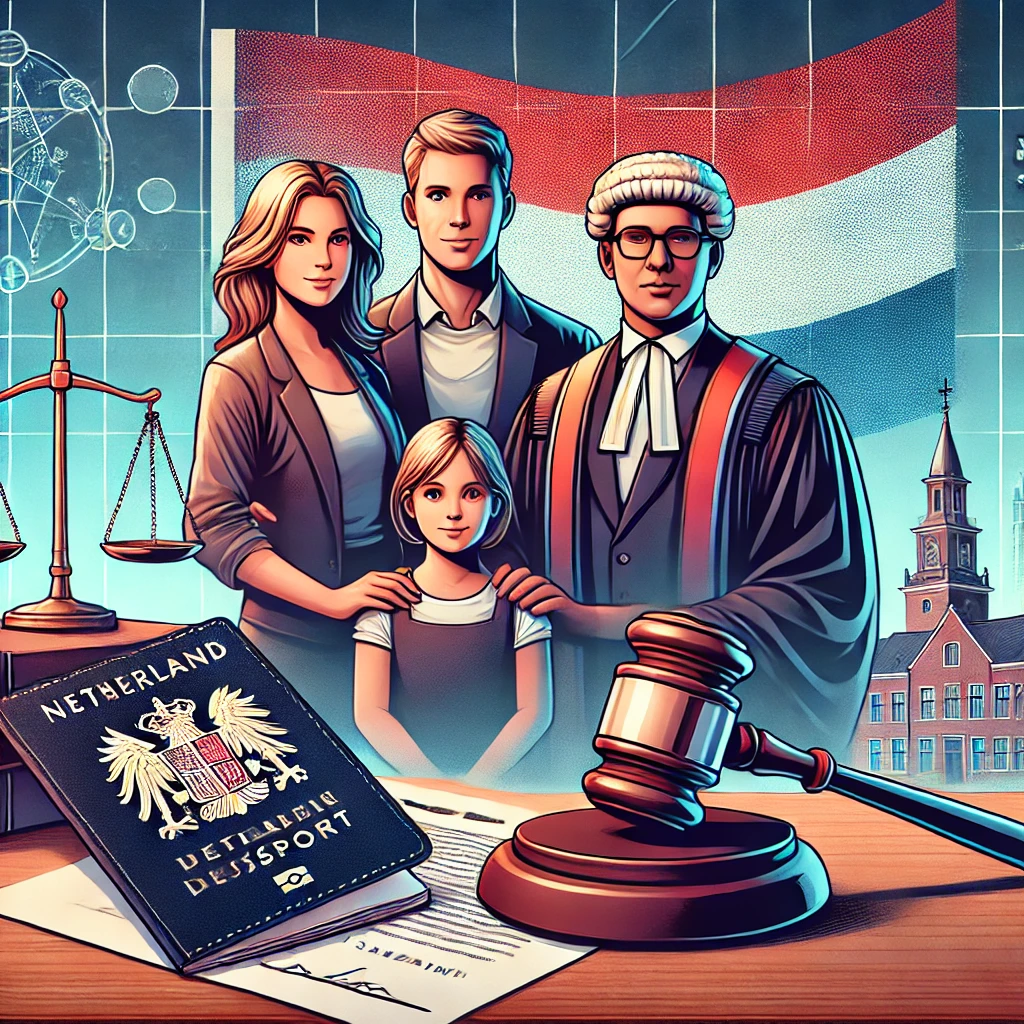
Soybağı Yoluyla Hollanda Vatandaşlığı: Hukuki Şartlar ve Uygulamalar
Giriş
Hollanda vatandaşlık hukuku, bireylerin vatandaşlık kazanma yollarını belirleyen katı ve sistematik kurallara dayanmaktadır. Hollanda’da vatandaşlık kazanımı, ius sanguinis (kan bağı ilkesi) esasına dayanmakta olup, soybağı ilişkisi vatandaşlığın otomatik olarak kazanılmasında temel belirleyici faktördür. Bu makalede, soybağı yoluyla Hollanda vatandaşlığının hukuki şartları, uygulamaları ve olası istisnalar incelenecektir.
1. Hollanda Vatandaşlık Hukukunda Soybağı (Ius Sanguinis) İlkesi
Hollanda vatandaşlığı, doğrudan kan bağı (ius sanguinis) esasına dayanır. Bir çocuğun doğum anında Hollanda vatandaşı olup olmadığı, ebeveynlerinin hukuki statüsüne bağlıdır. Hollanda vatandaşlık yasasına göre, en az bir ebeveyni Hollanda vatandaşı olan bir çocuk doğumla birlikte Hollanda vatandaşlığı kazanır.
2. Soybağı Yoluyla Hollanda Vatandaşlığı Kazanma Şartları
Soybağı yoluyla Hollanda vatandaşlığının kazanılması aşağıdaki temel şartlara bağlıdır:
2.1. Hollandalı Bir Annenin Çocuğu
- Hollandalı bir annenin doğurduğu çocuk, nerede doğarsa doğsun otomatik olarak Hollanda vatandaşı olur.
- Anne ile çocuk arasındaki soybağı, doğumla birlikte kendiliğinden kurulduğu için ek bir prosedüre gerek yoktur.
- Evlilik içinde veya dışında doğmuş olması, vatandaşlık kazanımında etkili değildir.
2.2. Hollandalı Bir Babanın Çocuğu
- Eğer çocuk evlilik birliği içinde doğmuşsa, babanın Hollanda vatandaşı olması çocuğun otomatik olarak Hollanda vatandaşı olmasını sağlar.
- Eğer çocuk evlilik dışı doğmuşsa, baba çocuğu doğumdan önce veya doğumdan kısa bir süre sonra tanımış olmalıdır.
- Eğer tanıma işlemi doğumdan sonra ve belirli süreler geçtikten sonra yapılırsa, çocuğun vatandaşlık hakkı için ek hukuki prosedürler gereklidir.
2.3. Evlat Edinme Yoluyla Vatandaşlık
- Hollanda vatandaşı ebeveynler tarafından 12 yaşından küçük bir çocuk evlat edinildiğinde, çocuğa Hollanda vatandaşlığı tanınabilir.
- Evlat edinme sürecinin Hollanda yargı yetkisi altında gerçekleşmesi ve çocuğun hukuki olarak biyolojik ailesiyle bağının kesilmiş olması gereklidir.
3. Soybağı Yoluyla Hollanda Vatandaşlığının Uygulama Alanları
3.1. Yurtdışında Doğmuş Çocuklar
Hollanda vatandaşı bir ebeveyne sahip olan çocuklar, Hollanda sınırları dışında doğmuş olsalar bile doğrudan vatandaşlık hakkına sahiptirler. Ancak:
- Çocuğun Hollanda vatandaşlığını kanıtlayan resmi belgeler sunulmalıdır (doğum belgesi, ebeveynin vatandaşlık belgeleri vb.).
- Yurtdışında doğan çocukların, ebeveynleriyle soybağı ilişkisini ispatlayacak resmi belgelerle Hollanda Konsolosluğu’na kayıt yaptırmaları gerekmektedir.
3.2. Hollanda Vatandaşlığını Kaybetme Riskleri
Soybağı ile Hollanda vatandaşlığını kazanan bireyler, bazı durumlarda bu vatandaşlığı kaybedebilirler:
- Uzun süre Hollanda dışında yaşamak: Eğer kişi 10 yıl boyunca kesintisiz olarak Hollanda ve Avrupa Birliği dışında yaşarsa vatandaşlığını kaybedebilir.
- Başka bir ülkenin vatandaşlığını kazanmak: Çifte vatandaşlık politikası gereği, bazı durumlarda Hollanda vatandaşlığı kaybedilebilir.
4. Çifte Vatandaşlık ve Hollanda’nın Tutumu
Hollanda genel olarak çifte vatandaşlığı kabul etmemektedir. Ancak aşağıdaki durumlarda istisnalar uygulanabilir:
- Hollandalı bir ebeveynden dolayı vatandaşlık kazanan bir çocuk, başka bir ülkenin vatandaşlığına sahip olsa bile Hollanda vatandaşlığını koruyabilir.
- Mülteci statüsünde olan bireyler veya Hollanda vatandaşı biriyle evli olanlar, çifte vatandaş olarak kalabilirler.
- Bazı ülkeler Hollanda vatandaşlığını kaybettirmeden ikinci vatandaşlığı kabul ettiği için, hukuki boşluklar doğabilir.
5. Hollanda Vatandaşlığının Kaybı ve Yeniden Kazanılması
Soybağı yoluyla Hollanda vatandaşı olan bir birey, bazı durumlarda vatandaşlığını kaybedebilir. Vatandaşlık kaybı şu şekillerde gerçekleşebilir:
5.1. Vatandaşlık Kaybı Durumları
- Başka bir ülkenin vatandaşlığını isteyerek almak,
- Hollanda dışında uzun süre yaşamak,
- Dolandırıcılık veya sahte belge kullanarak vatandaşlık almak.
5.2. Kaybedilen Vatandaşlığın Yeniden Kazanılması
Eğer kişi vatandaşlığını kaybetmişse, şu yollarla yeniden kazanabilir:
- Optieprocedure (beyan yöntemi): Eğer kişi, doğumla Hollanda vatandaşı olmuş ancak vatandaşlığını kaybetmişse, belirli koşulları sağlıyorsa beyan yoluyla yeniden vatandaşlık kazanabilir.
- Vatandaşlığa kabul (naturalisatie): Standart vatandaşlığa başvuru sürecine girerek tekrar vatandaşlık kazanabilir.
Sonuç
Hollanda vatandaşlık hukuku, ius sanguinis (kan bağı) ilkesine dayalı olarak çocukların vatandaşlık kazanmasını düzenleyen katı kurallara sahiptir. Hollandalı bir ebeveynin çocuğu olmak, doğumla birlikte vatandaşlık kazanımı açısından en belirleyici faktördür. Ancak, Hollanda dışında doğan çocuklar için kayıt işlemlerinin doğru şekilde yapılması gerekmektedir. Ayrıca, Hollanda’nın çifte vatandaşlığa karşı katı tutumu, vatandaşlık kaybı ve yeniden kazanım süreçlerini karmaşık hale getirmektedir.
Gelecekte, çifte vatandaşlık politikaları ve vatandaşlık kaybı ile ilgili düzenlemelerin Avrupa İnsan Hakları Mahkemesi kararları doğrultusunda değişmesi gündeme gelebilir.


About Post Author
