


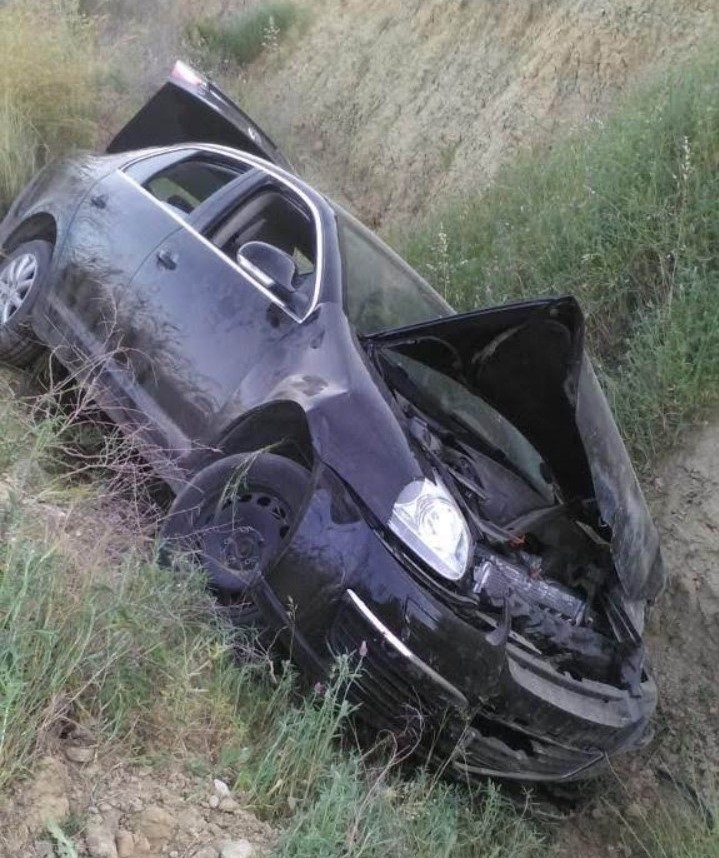
ARAÇ DEĞER KAYBI NEDİR?
Araç değer kaybı dediğimiz kavrama bakacak olursak değer kaybının yaşanan bir trafik kazası sonucunda hasar almış ve bu durumun sonucunda söz konusu hasar sebebiyle bakım tamirat gibi işlemleri yapılmış olan aracın bu işlemler sonucu piyasadaki artık geçerli olmuş olacak veya olan maddi değerinin esas değerinden daha düşük olmasını ifade eden bir kavramdır yani kısaca araç değer kaybının söz konusu kaza sonucunda araç üzerinde ve araç değerinde yapmış olduğu kayıp bedelidir. Söz konusu bu değer kaybı “KARAYOLLARI MOTORLU ARAÇLAR ZORUNLU MALİ SORUMLULUK SİGORTASI GENEL ŞARTLARINDA DEĞİŞİKLİK YAPILMASINA DAİR GENEL ŞARTLAR” hükümlerinde belirtilmesi üzerine talep edilme sonucunda kurum tarafından belirlenen usul ve esaslar göz önüne alınarak atanmış olan sigorta eksperince tespit edilmektedir. Hukuk sistemimiz değer kaybı kavramının net bir şekilde açıklamamakla birlikte sistemimizdeki kanunlar kanun hükümleri ve sigorta hükümlerine bakıldığında yukarıdaki gibi bir kaza sonucu aracın değerindeki düşüş olarak nitelendirilmesi doğru olacaktır. Değer kaybının karşılanması ve sorumluluğu ile ilgili inceleme yaptığımızda TTK m.1409 hükmüne göre yaşanan kaza durumunda kazada bulunan taraflardan kusurlu olan tarafın trafik sigortasının kaza sonucu meydana gelmiş hasar ve zararı karşılama sorumluluğu ve bununla birlikte direkt olarak zarar olarak nitelendirilebilen değer kaybını telafi etme sorumluluğu olduğunu görürüz. KTK m. 85 hükmüne bakıldığında ise ‘’ Bir motorlu aracın işletilmesi bir kimsenin ölümüne veya yaralanmasına yahut bir şeyin zarara uğramasına sebep olursa, motorlu aracın bir teşebbüsün unvanı veya işletme adı altında veya bu teşebbüs tarafından kesilen biletle işletilmesi halinde, motorlu aracın işleteni ve bağlı olduğu teşebbüsün sahibi, doğan zarardan müştereken ve müteselsilen sorumlu olurlar.’’ İfadesinin değer kaybıyla ilişkilendirilebileceği aşikardır.
Değer kaybının talep edilmesi durumunda karşımıza ‘’kimden talep edileceği’’ sorusu da çıkmaktadır. Kazadaki kusursuz tarafın araç değer kaybı varsa bu değer kaybı kazaya sebep olmuş taraf veya söz konusu tarafın zorunlu trafik sigortasınca karşılanır. Tabi değer kaybının ve zararlarının tamamının direkt olarak bu şekilde istenebilmesi için tarafın yaşanılan kazada tamamen kusursuz olması gerekmektedir. Kusur oranına göre talep edilecek değer kaybı ve zararların tutarının değişeceği göz önünde tutulmalıdır. Kazadaki kusursuz taraf değer kaybının karşılanması için ekspertiz raporu alarak kusurlu tarafa dava açma ya da Sigorta Tahkim Komisyonu’na başvurma yollarını kullanarak değer kaybını talep edebilir.
ARAÇ DEĞER KAYBINI KİM KARŞILAR VE NASIL TALEP EDİLİR?
Öncelikle araç değer kaybı talebinin şartlarına bakacak olursak;
Söz konusu motorlu taşıtların dahil olmuş olduğu bir kaza sonrasında oluşmuş olan değer kaybını tahsil edebilmek için bu taleple ilgili bazı şartların yer aldığını bilmeliyiz. Araç değer kaybı davası da diyebileceğimiz bu durumla ilgili şartlara baktığımızda bu şartlardan iyi ki kazada suçlu olan tarafın değer kaybını talep eden taraf olmaması gerektiğini ve kazanın 2 motorlu araç arasında gerçekleşmiş olması gerektiğini Bunun yanı sıra kaza olay yerinde olay gerçekleştikten sonra tutanak tutulma kaydıyla kaydedilmiş olmalı, zaman aşımı süresi olan iki yıl geçirilmeden talep edilmeli , olaydaki söz konusu aracın 125.000 kilometrenin üstünde olması şartıyla birlikte araç 10 yaşından büyük olmamalı ve kazadaki karşı tarafın trafik sigortasının olması durumunda bu sigortadan olmaması durumunda değer kaybının kendi tarafından ödenmesi gereklidir. Araç değer kaybını kimin ödeyeceği konusunu daha detaylı incelersek söz konusu trafik kazasında kusurlu olan tarafın trafik sigortasının diğer tarafın araç değer kaybını telafi etmek zorunda olduğunu dolayısıyla da trafik sigortasının araç değer kaybını karşıladığı bilgisinin doğru olduğunu eğer söz konusu aracın yapmış olduğu kasko poliçesinde bununla ilgili bir maddenin yer alması durumunda söz konusu kasko şirketi bu madde hükmünce değer kaybını karşılayabilmekte fakat böyle bir hüküm yoksa kaskonun karşı tarafın değer kaybını karşılama gibi bir zorunluluğu olmadığını kusurlu tarafı kendi kaskosunun kendi aracının değer kaybından sorumlu olduğunu söyleyebiliriz.
ARAÇ DEĞER KAYBI BAŞVURUSU NASIL YAPILMAKTADIR?
Bir trafik kazası sonucu trafik kazasına karışmış olan motorlu aracın değer kaybının tazmin edilmesi ve bunların yanında söz konusu aracın değer kaybının minimum indirilmesi için araç değer kaybı başvurusu araç sahibi tarafından yapılmalıdır. Bu başvuru için söz konusu kaza ve kaza ile ilgili tutulmuş olan trafik kazası tutanağında yer alan kusur durumu incelenmeli ve bu tutanağın her halükarda önemli bir belge olduğunu ve gerekli olduğunu bunun yanında araçla ilgili söz konusu usul ve esaslar doğrultusunda alınmış olan ekspertiz raporu ve aynı şekilde aracın bakım tamir gibi işlemlerinden sonra ödeme ile ilgili alınmış olan fatura, tramer kaydı ve araç ruhsatı ile birlikte karşı tarafın trafik sigortası şirketine başvuru gerçekleştirilebilmektedir. Bu durumda araçtaki kusur durumları incelenerek her iki tarafında kusurları göz önünde bulundurarak değer kaybı hesaplanmaktadır. Söz konusu başvuru sonrasında karşı tarafın sigorta şirketinin değer kaybı masrafını karşılamayı reddetmesi durumunda eğer söz konusu sigorta şirketi sigorta tahkim komisyonunu üye ise sigorta tahkim komisyonuna ya da yetkili mahkemelere başvuruda bulunulmalıdır. Eğer karşı tarafın sigorta şirketi sigorta tahkim komisyonuna üye değilse direkt olarak yetkili mahkemelere başvuruda bulunulmalıdır. Bu durumda ise başvurulacak olan mahkemeler Asliye hukuk ve Asliye Ticaret Mahkemeleridir. Bu mahkemeler söz konusu durumlarla ilgili yetkili mahkemelerdir. Başvuru ile ilgili zaman aşımı süresinin 2 yıl olduğu ve bu 2 yıllık süre içerisinde mahkemelere dava açılabilmekte olup karşı tarafın sigortasının bulunmaması durumunda ise direkt olarak karşı tarafın kendisine dava açılıp söz konusu değer kaybı talep edilebilmekte olup bu değer kaybı bedeli bu şekilde tazmin edilebilmektedir.
KISACA ARAÇ DEĞER KAYBI BAŞVURUSU
Araç değer kaybı başvurusu için 2 taraf arasında gerçekleşmiş olan trafik kazasında değer kaybını talep edecek kişinin kusursuz olmakla beraber kusurlu olan tarafın sigorta şirketine başvurabileceğini söyleyebiliriz.
Kusurlu olmayan taraf, aracının daha önce değer kaybına uğramamış şartıyla birlikte ve zarar görmüş olan araç parçasının kazadan önce tamirat ve tadilat yapılmamış olma şartını sağlaması durumunda kusurlu olan tarafın tarafın sigorta şirketinin araç değer kaybını karşılama zorunluluğu bulunduğunu fakat başvuru sonucu söz konusu şirketin reddetmesi durumunda da şirketin komisyona üye olması şartıyla Sigorta Tahkim Kurulu’na veya komisyona üye olup olmadığına dikkat etmeksizin direkt olarak Asliye hukuk ve Asliye Ticaret mahkemelerine değer kaybının karşılanması ve diğer zararlarla ilgili tazmin edilme talebinde bulunulabilir.
HÜSEYİN DOĞAN