
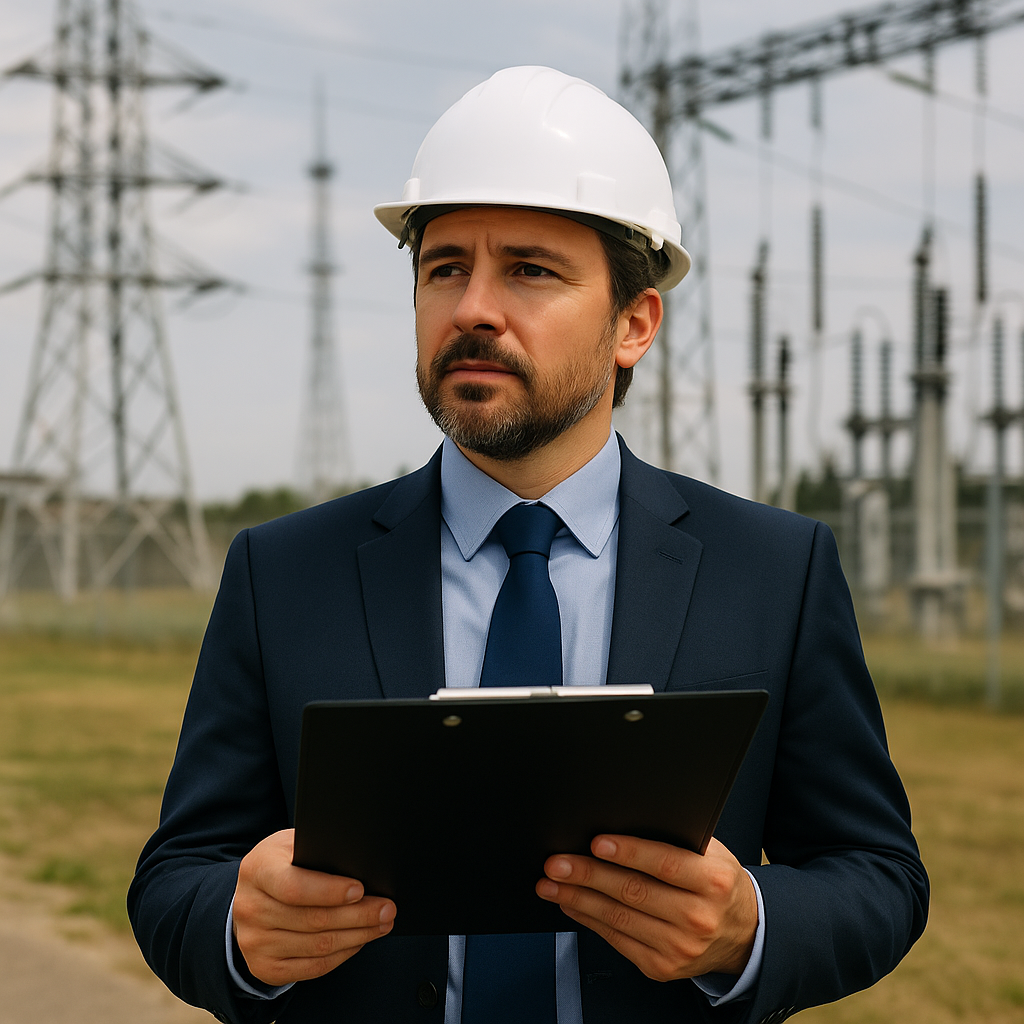
What is the legal process for establishing an electricity generation plant?
ENTRANCE
The electricity generation sector in Türkiye is fraught with high investment costs, technical requirements, and strict legal regulations. For investors wishing to establish an electricity generation plant, the process is not limited to technical design and financial planning. It requires obtaining licenses and permits from numerous institutions, primarily the Energy Market Regulatory Authority (EPDK). Furthermore, many legal steps must be completed, including environmental impact assessments (EIA), zoning plan approvals, municipal permits, and TEİAŞ (Turkish Electricity Transmission Corporation) connection permits.
This article will examine in detail the legal stages of establishing an electricity generation plant, the EPDK licensing process, environmental and technical permits, post-construction obligations, and potential legal risks.
1. Legal Basis
The basic regulations regarding the establishment of electricity generation facilities are as follows:
-
Electricity Market Law No. 6446: Electricity generation licenses and market operation.
-
Law No. 5346 on Renewable Energy (RES): Incentives and support for renewable energy investments.
-
Environmental Law No. 2872: Environmental permits and mandatory EIA (Environmental Impact Assessment).
-
Law No. 3194 on Urban Planning: Land use, urban development plans, and building permits.
-
Law No. 6331 on Occupational Health and Safety: Occupational safety during construction and operation phases.
-
Energy Efficiency Law No. 5627: Efficiency requirements in production facilities.
2. Pre-installation Preparation
2.1. Feasibility Study
The first step in any electricity generation project is technical and financial feasibility studies. These studies include:
-
The power plant's capacity includes the type of production (natural gas, coal, solar, wind, etc.) and cost calculations.
-
It determines the profitability and payback period of the investment.
-
It analyzes environmental impacts and technical challenges.
2.2. Site Selection
-
The land must be designated as an energy production facility area in the zoning plan.
-
For agricultural, pasture, or forest land use, a usage permit or zoning plan amendment must be obtained from the relevant ministries.
2.3. Resource Measurement
-
In renewable energy projects (wind or solar), a resource measurement report is prepared.
-
For wind energy, at least one year's worth of wind data is required, and for solar energy, solar radiation analyses are mandatory.
3. EPDK Production License
Every facility with an electricity generation capacity exceeding 1 MW must obtain a production license from the Energy Regulatory Authority (EPDK).
-
License periods typically range from 10 to 49 years.
-
The license is valid only for the specified capacity and production type.
4. License Application Process
4.1. Required Documents
The main documents that must be submitted with the application to EPDK are as follows:
-
Application form and company documents (articles of association, trade register, tax certificate).
-
Financial adequacy report (documents demonstrating capital and investment capacity).
-
Project description file (technical details regarding capacity, technology, and energy source).
-
Title deed or lease agreement relating to the land.
-
Network connection opinion approved by TEİAŞ or the distribution company.
-
Environmental impact assessment report or environmental impact assessment exemption certificate.
4.2. EPDK Review
-
EPDK evaluates the company's financial, technical, and legal compliance.
-
An additional period will be given for missing documents.
-
Production licenses are issued for approved applications.
5. Environmental Impact Assessment (EIA)
5.1. Which Projects Require an Environmental Impact Assessment (EIA)?
-
Environmental impact assessment reports are mandatory for thermal power plants exceeding 50 MW, large hydroelectric projects, and large-scale renewable energy facilities.
-
Small-scale projects may be considered exempt from Environmental Impact Assessment (EIA).
5.2. EIA Process
-
The project introduction file is submitted to the Ministry of Environment.
-
A public participation meeting is held.
-
A detailed report analyzing the environmental impacts is prepared.
-
A "Positive EIA" decision or a "EIA Not Required" certificate is obtained.
6. Permits Required from the Municipality
Permits that must be obtained from municipalities before an electricity generation plant can be established:
-
Zoning Plan Compliance Approval,
-
Construction Permit (Building Permit),
-
Infrastructure and road permits,
-
Fire safety reports.
After construction is completed, an Occupancy Permit must also be obtained.
7. TEİAŞ and Grid Connection
In order for the electricity produced to be transferred to the national grid:
-
A connection and system usage agreement is made with TEİAŞ or the distribution company.
-
Network compatibility tests and technical inspections are carried out.
8. Construction and Assembly Process
Under construction:
-
Compliance with occupational health and safety legislation is mandatory.
-
Progress reports are submitted to EPDK regularly.
-
Quality control and engineering inspections are carried out.
9. Post-Construction Liabilities
9.1. Acceptance Tests
-
The facility undergoes acceptance and commissioning tests before being put into operation.
-
Tests are carried out by TEİAŞ or authorized engineering companies.
9.2. Reporting and EPDK Notifications
-
Once production begins, monthly and annual production reports are submitted to EPDK (Energy Market Regulatory Authority).
10. Legal Risks and Problems
10.1. Failure to Complete Construction on Time
-
If production does not begin within the time specified in the license terms, the license may be suspended or revoked.
10.2. Environmental and Security Violations
-
Failure to comply with EIA requirements may result in administrative fines and closure orders.
10.3. Zoning and Land Registry Issues
-
Zoning or title disputes on the land could significantly delay the project.
11. The Importance of Legal Counseling
An energy law specialist lawyer:
-
The EPDK prepares the license application completely and correctly
-
It guides investors through environmental impact assessment and zoning processes
-
It oversees the contracts made with municipalities and TEİAŞ (Turkish Electricity Transmission Corporation)
-
It represents the company in potential lawsuits and appeals.
12. Installation Time
-
Feasibility study and site preparation: 3-6 months
-
EPDK licensing and EIA process: 6-12 months
-
Construction and assembly: 12-24 months
-
Grid connection and commissioning: 1-3 months.
For large-scale projects, the total process usually takes 2-3 years.
13. Conclusion
Establishing an electricity generation plant requires detailed legal and technical planning.
-
The EPDK production license, EIA approval, and municipal permits are the cornerstones of the process.
-
Proper management of legal processes ensures that the investment is completed on time and without problems.
Key Points:
-
Licensing and permit processes must be carried out simultaneously.
-
Legal advice minimizes potential risks.
-
Grid connectivity and technical compatibility are critical to the project's success.
Gamze Akbulut, Law Faculty Student


About Post Author
