
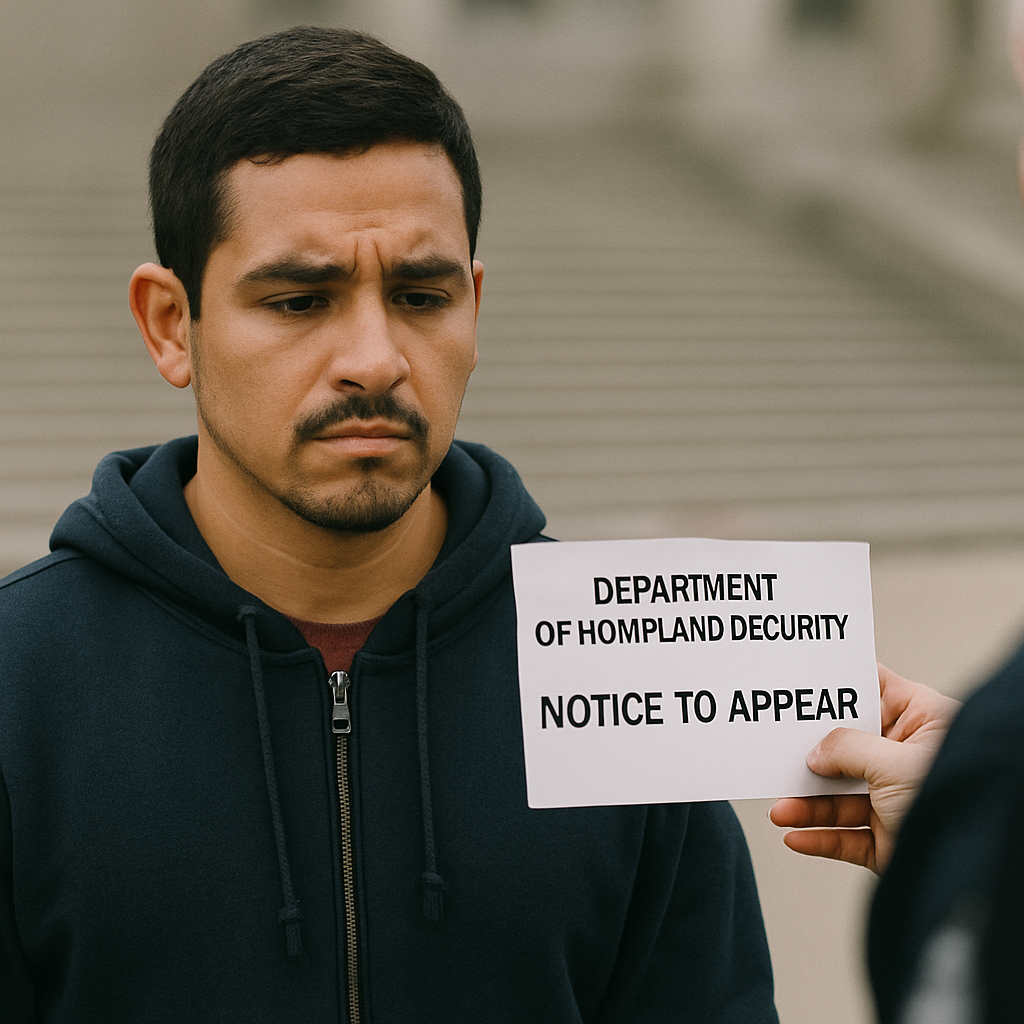
What are the penalties for immigrating to the US illegally?
ENTRANCE
While the United States remains a global attraction for immigrants, attempts to enter and reside in the country through unlawful means are increasing each year. Illegal immigration or undocumented residency in the US carries severe penalties, both criminal and administrative, and can permanently eliminate future opportunities for legal status and citizenship. This article will examine in detail the legal definition of illegal entry and residency in the US, the main penalties, deportation processes, escalating penalties for repeated entries, and relevant current US immigration law practices.
1. Legal Definition of Illegal Immigration in the United States
According to the U.S. Immigration and Nationality Act (INA), illegal immigration is addressed under two main headings:
-
Illegal entry (Entry Without Inspection):
Entering the United States illegally or without permission, crossing the border and bypassing customs or passport control. -
Overstaying:
Entering the United States with a valid visa and remaining in the country without permission after the permitted stay has expired. -
Fraud and fraudulent entry:
Entering or remaining in the United States using a forged passport, identity, or by making false statements.
2. Penalties for Illegal Entry and Unauthorized Stay
A. Deportation / Removal
-
Those who enter the country illegally are subject to deportation proceedings called "Removal Proceedings" when they are detected.
-
Arguments can be made before the Immigration Court judge; some exceptional protection applications, such as asylum and family reunification, are possible.
-
Those deported may be banned from re-entering the country for 5 years, 10 years, or for life
B. Re-entry Ban to the Country
-
Those who stay in the US illegally for between 180 days and 1 year are subject to a 3-year re-entry ban after leaving the US .
-
Those who remain illegally in the US for more than one year are given a 10-year ban from re-entering the US upon leaving .
-
Those previously deported and who illegally re-enter the country banned from entering for life .
C. Federal Criminal Cases and Imprisonment
-
Unlawful entry is a federal crime under 8 USC § 1325.
-
For a first-time illegal entry, the penalty may be up to six months imprisonment and/or a fine .
-
Repeat offenders up to two years in prison .
-
Penalties are even harsher when smuggling or counterfeiting is detected (up to 5-10 years imprisonment).
D. Additional Penalties for Forgery and Fraud
-
Using forged passports, identification documents, or other forged materials constitutes a separate crime under the U.S. Federal Criminal Code.
-
In cases of false statements, submitting forged documents, or detection of forgery, in addition to deportation, imprisonment of 5-20 years and heavy fines may be imposed.
-
Attempts to obtain a Green Card through invalid or fraudulent marriage are subject to both criminal and administrative penalties.
E. Work Bans and Work Penalties
-
Those who are illegally present in the US are prohibited from working.
-
Working with a fake SSN or engaging in illegal employment can result in severe penalties and deportation.
-
If an unauthorized person is found to be working, the employer will also be punished for the crime of "employing unauthorized aliens".
3. Other Administrative and Civil Consequences
-
Obstacle in Immigration Applications:
Those with a history of illegal entry or stay have virtually no chance of obtaining subsequent applications such as family reunification, Green Card, or student visa. Illegal stay is an automatic reason for rejection. -
A Permanent Obstacle to Citizenship:
Those who evade citizenship also lose the "good moral character" requirement necessary to become a U.S. citizen. -
Property and Contractual Rights:
Individuals with undocumented status can legally acquire property in the United States, but face significant restrictions in seeking redress, participating in court proceedings, and protecting their rights.
4. Exceptional Circumstances and Amnesty Applications
-
Asylum and Refugee Applications:
Those facing life-threatening danger, persecution, or torture may apply for asylum in the United States after illegal entry. However, the seriousness and persistence of the application must be proven. -
Articles 601 and 212(h) Waiver Applications:
Exceptional waivers of entry bans are possible under certain circumstances, based on close family ties, extreme hardship, and humanitarian grounds. This is a lengthy and arduous legal process, occurring only in very limited cases. -
DACA and TPS Programs:
Under certain conditions, temporary protection may be granted to child arrivals (DACA) or nationals of countries experiencing disaster/conflict (TPS); however, these do not provide permanent legal status.
5. Legal Consequences for Children and Minors
-
Children who enter the US illegally are often deported along with their parents.
-
Different and more protective legal procedures apply to unaccompanied minors; their rights regarding custody, housing, education, and refuge are more comprehensive.
-
Being born in the US does not grant parents rights; the family can be deported even if the child is a US citizen.
6. Penalties Applied to Intermediaries and Organizers in Illegal Immigration
-
Organizers of migrant smuggling (alien smuggling) face prison sentences of 5-20 years and hefty fines.
-
The penalties are even harsher if death, injury, or a connection to human trafficking is involved.
-
Smuggling migrants can result in a lifetime ban from entering the United States, as well as the confiscation of all assets.
7. Frequently Asked Questions
Can those who have illegally entered the US seek justice there?
To a limited extent, yes; however, apart from the right to a defense in court and the right to asylum, they cannot obtain legal rights in most applications.
Can someone who previously remained illegally in the US re-enter?
After serving their sentence and the entry ban period ends, their past illegal status must be disclosed in their visa application; otherwise, the risk of further refusal and entry bans continues.
Can illegal entry be excused in an asylum application?
Yes, in some cases, illegal entry may be overlooked if there is serious persecution and a risk to life.
8. The Court of Cassation in the Context of US Federal and ECHR Decisions
In Turkey, the Supreme Court considers the legal status of Turkish citizens who illegally entered the US in cases concerning their families and assets.
US federal courts and Immigration Courts apply strict precedents and penal sanctions in cases of illegal entry and stay.
The European Court of Human Rights provides protection in cases of non-refoulement, fair trial, and human rights violations; however, it generally recognizes the border and immigration control of states.
9. Conclusion and Legal Evaluation
Entering or remaining in the United States illegally carries severe criminal and administrative consequences, long-term loss of rights, and a significant risk of deportation.
-
Legal avenues and channels of appeal must be considered.
-
Fraud, collusion with organizers, or attempting to cross the border illegally carries very severe penalties for both the individual and the intermediary.
-
Opportunities for pardons and exceptional protections are very limited; in most cases, illegal stay results in a lifetime ban from entering the United States.
Anyone wishing to live in the United States should only pursue legal immigration routes and seek legal advice throughout the application and processing stages.


About Post Author
