
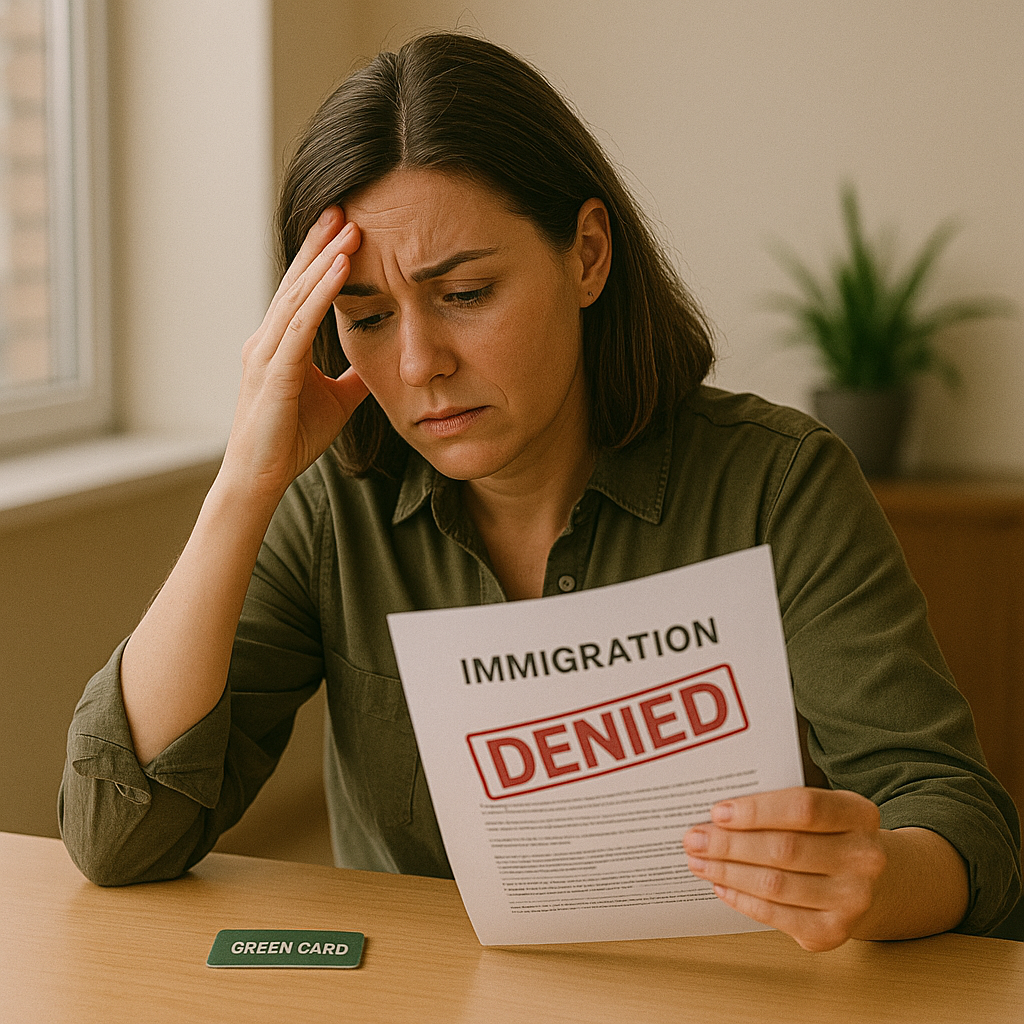
What are the most common mistakes in US immigration law?
ENTRANCE
For individuals, families, and investors seeking to immigrate to the United States, the US immigration system presents both significant opportunities and serious legal risks. While the US values the contributions immigrants make to its society and economy, it operates with very strict controls and regulations in immigration applications.
A small mistake in the application process can prevent both obtaining a visa and residence permit, as well as future citizenship. Therefore, knowing the most common mistakes in US immigration law and preparing applications professionally is critically important.
This article will detail the most common mistakes in US immigration applications, their legal consequences, examples from the Supreme Court and US precedents, practical advice for applicants, and how to minimize risks.
1. Submitting Incomplete or Incorrect Documents
The most common mistake in US immigration applications is submitting incomplete, outdated, incorrect, or false information in the required documents.
Each form must be completed fully, legibly, and with up-to-date information, and supporting documents must be accurate copies of the originals.
Common document errors include:
-
Providing incorrect or outdated passport information
-
Missing documents in marriage, birth, or divorce records
-
Foreign documents without translation or the signature of a sworn translator
-
Forged or falsified documents
-
Submission of forms without signatures
Legal consequences:
Incomplete or incorrect documentation may lead to application rejection, delay, visa ban, or a future ban from entering the US due to "misrepresentation."
2. Misleading Statements and Fraud
Providing false, incomplete, or misleading information on application forms is one of the most serious immigration offenses.
Examples include concealing a past visa refusal, hiding a criminal record, exaggerating income and employment information, or making false marriage/kinship declarations.
Legal consequences:
USCIS and consulates will reject the application for "material misrepresentation," and a 10-year ban from entering the US will be imposed. Even if fraud is discovered after obtaining citizenship, it is grounds for denaturalization.
3. Overstaying (Visa or Status Period)
For individuals entering the United States on a tourist, student, business, or immigrant visa, staying in the country longer than the period stated on their visa is called "overstay."
Those who overstay put their future visa, Green Card, or citizenship applications at significant risk.
Legal consequences:
Overstays exceeding 180 days result in a 3-year ban from entering the US, while overstays exceeding 1 year result in a 10-year ban. Frequent overstays can expedite deportation proceedings.
4. Failure to Apply for Status Change or Visa Extension on Time
If applications for changes in status within the US (e.g., switching from a tourist visa to a student visa or a work visa) or visa extensions are not submitted on time, the individual will lose their legal status.
Legal consequences:
Loss of status, illegal stay in the US, deportation, and the commencement of the "unlawful presence" period. All future immigration rights are at risk.
5. False or Formal Marriage in Immigration Applications
In US immigration law, obtaining a residence permit and Green Card through marriage is strictly regulated.
Marriages that are not genuine (formal or arranged marriages) and are entered into solely for the purpose of obtaining residency rights are investigated through interviews, documentation, and witness statements.
Legal consequences:
If a fraudulent marriage is detected, both the applicant and the US citizen spouse face severe penalties, revocation of residency rights, and a permanent ban from entering the US.
6. Failure to Meet Financial Adequacy and Public Charge Requirements
In the United States, immigration applications must document the financial sufficiency of the applicant or sponsor.
Applications will be rejected if sufficient income, bank balance, employment, and tax documents are not demonstrated.
Legal consequences:
A weak application file, insufficient sponsorship (I-864 Affidavit of Support), or receiving long-term public assistance (Medicaid, SSI, SNAP, etc.) will result in rejection and entry ban on grounds of "public charge".
7. Failure to Update Information and Address on Time
In the United States, immigrants are required to report changes in their relocation or contact information to USCIS (Form AR-11).
Failure to report a new address may result in invitations and summonses not reaching the individual.
Legal consequences:
Failure to provide notification can lead to serious consequences such as visa cancellation, delayed court summons, and Green Card revocation.
8. Using the Visa Type Inappropriately for the Purpose
Using a tourist visa to work, starting work with a student visa, or staying outside the US for extended periods with a work visa are among the most common mistakes.
Legal consequences:
Visa cancellation, deportation, loss of trust in all future US visa applications, inability to obtain a new visa.
9. Preparing Complex Files Without Professional Support
U.S. immigration law is constantly changing, requiring detailed and meticulous preparation of applications.
Many applicants prepare their files with incomplete information or misleading guidance, resulting in failure.
Legal consequences:
You may lose your rights in court cases, appeals, or new applications. Obtaining professional immigration lawyer or expert support minimizes the risk of loss of rights.
10. Incorrect/Aggressive Communication with Consular or USCIS Officials
Using incorrect, contradictory, or aggressive language in interviews, emails, or correspondence may lead to a negative evaluation of the application or even an "inadmissibility" decision.
11. Frequently Asked Questions
If my application is rejected, can I reapply?
Yes, but reapplying without addressing the reason for rejection will not be successful.
Could a past mistake prevent me from obtaining citizenship?
Yes, serious offenses such as fraud, overstaying, or illegal employment can be used against you in a citizenship application.
What happens if I don't follow up on my immigration application?
Missing updates or failing to respond within the deadline will result in the application being rejected or cancelled.
12. The Court of Cassation in the Context of US Federal and ECHR Decisions
In Turkey, the Supreme Court examines the veracity and legality of immigration status in cases concerning family, inheritance, and social security for those who have immigrated to the US.
US federal courts rigorously scrutinize the authenticity of documents and statements in immigration applications, checking for violations of legal status.
The European Court of Human Rights emphasizes the principles of fair trial and family unity, but does not protect serious violations such as false statements and forgery.
13. Conclusion and Legal Evaluation
In U.S. immigration law, even a small mistake can lead to irreversible consequences. Complete and accurate documentation, truthful and honest statements, and meticulous adherence to legal deadlines are essential.
Applicants should seek expert assistance throughout the process and, if applying independently, carefully review current immigration legislation. Transparency, honesty, and professionalism at every stage are the safest way to protect your legal status and future rights in the U.S.
Gamze Akbulut, Law Faculty Student


About Post Author
