
REPLACEMENT VEHICLE COST
WHAT IS A REPLACEMENT VEHICLE? A
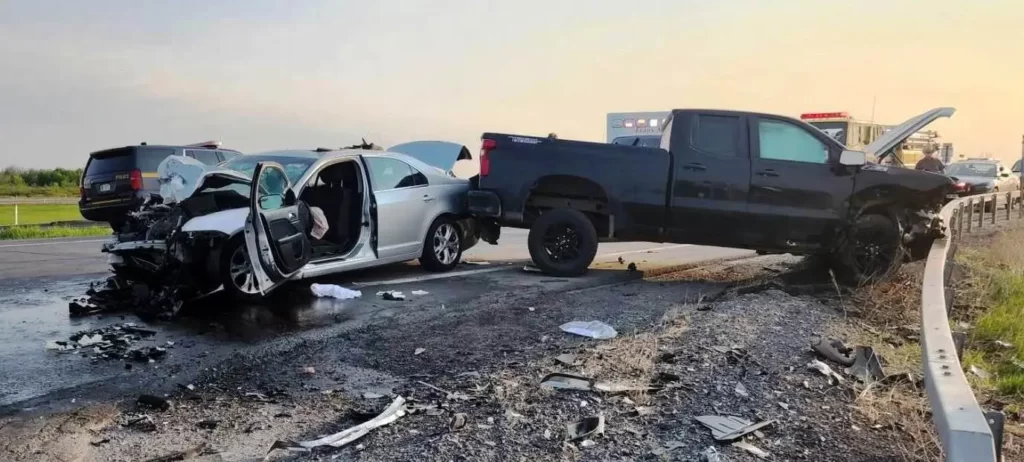
replacement vehicle is a vehicle provided by the insurance company to the policyholder after a vehicle is deemed, following an objective inspection by an expert, to be unfit for road use due to damage sustained in an accident. The replacement vehicle must have similar specifications to the insured vehicle. If the insurance company cannot provide a suitable replacement vehicle for the damaged vehicle, the policyholder can rent a suitable vehicle and direct all necessary expenses to the insurance company (against an invoice). In cases of minor damage, a replacement vehicle is not provided as the vehicle is not roadworthy.
WHAT ARE THE REQUIREMENTS FOR BENEFITING FROM A REPLACEMENT VEHICLE?
To benefit from the replacement vehicle service, certain conditions must be met. These conditions are determined by the insurance companies. General conditions include:
1- The damage resulting from the accident must be confirmed by an independent expert.
2- The damaged vehicle must not be repairable within twenty-four hours.
3- The damage must have occurred while the vehicle was in motion. The accident must not have occurred while the vehicle was stationary or parked.
4- The expert and the repair shop must agree on the terms. If they agree, the vehicle is sent to the repair shop. If they cannot agree, the matter goes to the insurance company.
5- If the vehicle is repaired before the given time, the replacement vehicle must be returned.
Drivers with insurance can generally request a replacement vehicle once or twice a year, although this may vary depending on the insurance company
. The cost of the replacement vehicle is calculated by an expert, taking market prices into account.
After calculating the replacement vehicle cost, any expenses the person would have incurred if they had used the vehicle during the days they were unable to use it (such as fuel costs and depreciation) are deducted from this calculation.
All highway and bridge tolls and fines incurred by the insured using the replacement vehicle are paid by the policyholder.
The replacement vehicle is usually provided until the damage is repaired.
While it varies depending on the insurance company, the replacement vehicle period can range from seven to fifteen days.
REPLACEMENT VEHICLE COMPENSATION
: Replacement vehicle compensation refers to the loss incurred due to the damaged vehicle being unable to be driven on the road. The party at fault in the accident (driver and/or owner) is liable for the vehicle being unusable due to repairs. According to Article 49 of the Turkish Code of Obligations, compensation for damages is not sought from the at-fault party. The person whose vehicle was damaged can claim compensation from the other party or their insurance company.
Factors considered in determining the amount of compensation include: the vehicle's model and make, its specifications, how frequently the insured person used the vehicle, the vehicle's mileage to date, the repair time, the vehicle's value, the vehicle's registration date, and the amount payable for a replacement vehicle.
When calculating replacement vehicle compensation, it is necessary to distinguish between commercial and non-commercial/private vehicles. Damage arising from the use of the unusable vehicle for commercial purposes such as taxis or buses constitutes compensation for loss of earnings in the case of commercial vehicles, and commercial earnings are taken into account when calculating compensation.
Compensation for loss of vehicle value is calculated by multiplying the daily cost of a replacement vehicle for the damaged vehicle by the number of days it was unusable due to repairs.
The competent court for filing a lawsuit for vehicle depreciation is... If a lawsuit is to be filed against the insurance company, an application is made to the Commercial Court of First Instance; if a lawsuit is to be filed against the vehicle driver and/or owner, an application is made to the Civil Court of First Instance. Another point to note is that mediation must have been attempted before a lawsuit can be filed against the insurance company in the Commercial Court of First Instance.
In vehicle depreciation claims, the competent court can be in many locations: the court where the accident occurred, the court in the place of residence of the person who suffered damage in the accident, etc.
If no application is made to the insurance company within two years, the statute of limitations expires.
It is also important to remember that if the parties do not wish to go to court, they can apply to the Insurance Arbitration Institution to resolve the dispute there.
HUSEYIN DOGAN


About Post Author
