
REPLACEMENT VEHICLE COST
REPLACEMENT VEHICLE COST
WHAT IS A REPLACEMENT VEHICLE?
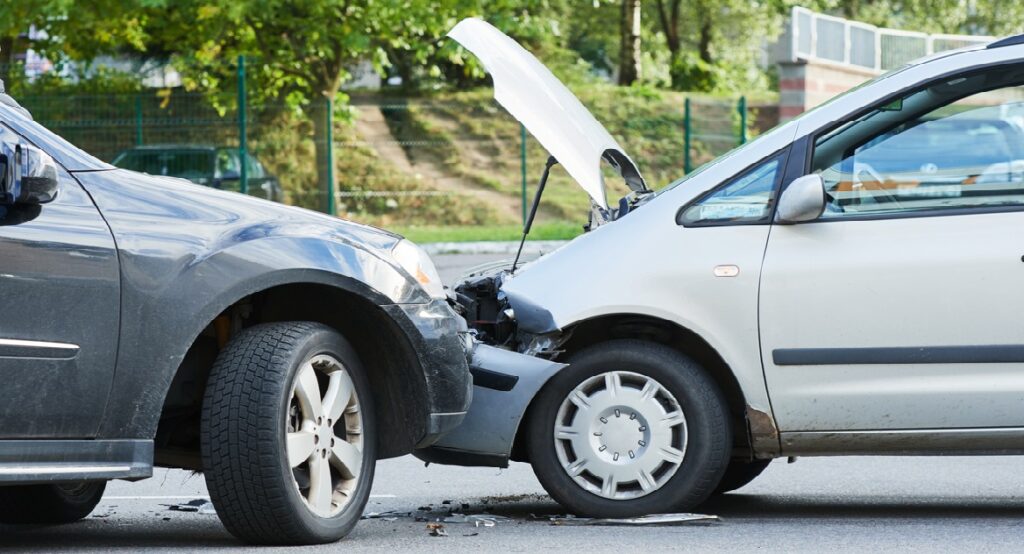
A replacement vehicle is a vehicle provided by the insurance company to the insured vehicle owner after a traffic accident in which a motor vehicle has been involved, and an independent expert has determined that the damaged vehicle is unfit for road use. The replacement vehicle provided to the insured vehicle owner must be a model that most closely matches the specifications of the damaged vehicle deemed unfit for road use. It is important to note that replacement vehicle coverage is not always available; the conditions and duration of this coverage should be specified in your insurance policy. Otherwise, if the conditions stated in your policy do not match the actual situation, you will not be able to benefit from or claim replacement vehicle coverage.
SITUATIONS IN WHICH REPLACEMENT VEHICLE INSURANCE CAN BE USED
Replacement vehicle coverage, or the provision of a replacement vehicle, occurs when the insured driver's vehicle is out of service for an extended period. The essential condition is that the vehicle becomes unusable and its driving safety is compromised due to damage. In addition, a replacement vehicle can be provided under the conditions we will examine below, ensuring the insured driver is not left without a vehicle until their damaged vehicle is retrieved from the service center. Since replacement vehicle coverage cannot be used if it is not included in the insurance policy, it is necessary to arrange and prepare a replacement vehicle service separately when the insurance policy is prepared. To benefit from the replacement vehicle service along with mandatory traffic insurance coverage, the nature of the traffic accident and the nature of the damage to the vehicle must be specified in the insurance policy and included in the replacement vehicle coverage. Otherwise, if it is not included in the policy, a replacement vehicle will not be provided for the vehicle whose driving capability has been lost or damaged, and the driver will be left without a vehicle. Therefore, vehicle owners who will be purchasing insurance should discuss the terms and conditions regarding replacement vehicle coverage with their insurance company. Vehicle owners who want to protect their vehicles and also benefit from replacement vehicle coverage can do so through their comprehensive insurance policy. While it's possible to benefit from replacement vehicle coverage through comprehensive insurance, the specific terms and conditions of this coverage should be determined and agreed upon separately; this is the best approach for the insured vehicle owner.
CONDITIONS FOR BENEFITING FROM REPLACEMENT VEHICLE INSURANCE
For replacement vehicle coverage to be granted, certain conditions must be met. These conditions are generally defined by all insurance companies as follows:
If, after a traffic accident, an independent expert examines the damage and determines that the vehicle is unsafe to drive, and this is confirmed by the insurance company, then the replacement vehicle coverage can be activated. The insured person's vehicle must be unsafe to drive while parked or waiting, not while in a safe condition. The replacement vehicle must be provided within 24 to 48 hours, according to the insurance policy provided by the insurance company. Sundays are not included in this period; the remaining days will be used to calculate the time for the replacement vehicle coverage to be activated. The repair shop and the company providing the replacement vehicle must reach an agreement with the expert regarding the time the vehicle spends in the repair shop and the use of the replacement vehicle. If an agreement is not reached, this must be reported to the insurance company, and the vehicle must be returned to the repair shop after an agreement is reached for the replacement vehicle coverage to be activated. If a vehicle damaged in a traffic accident is returned from the service center before the expected or specified time, the replacement vehicle must be returned. Depending on the insurance company's policy, the insured driver may have the right to request a replacement vehicle once or twice during an insurance year. If the insurance company does not or cannot cover the replacement vehicle, it may rent a vehicle of similar specifications and request the insurance company to cover the rental cost; the insured must prove this with receipts. If the insured driver continues to use the replacement vehicle beyond the provided time, they will be liable to pay the additional rental fee for exceeding the coverage period. If the insured driver has a traffic accident outside their city of residence and a replacement vehicle has been provided, the replacement vehicle must be retrieved from the city where it was provided at the end of the specified period. Finally, all bridge or highway tolls or traffic fines incurred by the insured driver using the replacement vehicle will be covered by the driver (i.e., the insured). In addition, we can say that there are some situations that will prevent the replacement vehicle coverage from being valid. For example, the vehicle cannot benefit from replacement vehicle coverage in all situations that are outside the scope of the comprehensive insurance policy's liability. Furthermore, the time spent on vehicle maintenance or repairs, which are not considered traffic accidents, will not be taken into account for the replacement vehicle. We should also be aware that even if the vehicle becomes unusable due to any reason other than a traffic accident, the replacement vehicle coverage will not be valid.
HOW IS THE REPLACEMENT VEHICLE DEPOSIT CALCULATED?
The replacement vehicle cost is calculated by an expert after the damage resulting from the traffic accident has been examined and explained, taking into account market conditions. After the expert calculates the replacement cost, the maintenance and repair costs, depreciation, etc., that the insured driver would have incurred if they had used the vehicle during the period they were unable to use it are calculated and deducted from the replacement cost. The remaining amount will then be used to determine the coverage. If the insurance company provided a replacement vehicle to the insured driver under the responsibility of the police, the duration of the replacement vehicle provided by the insurance company must also be deducted from the replacement cost, and the replacement cost should be calculated accordingly.
HUSEYIN DOGAN


About Post Author
