
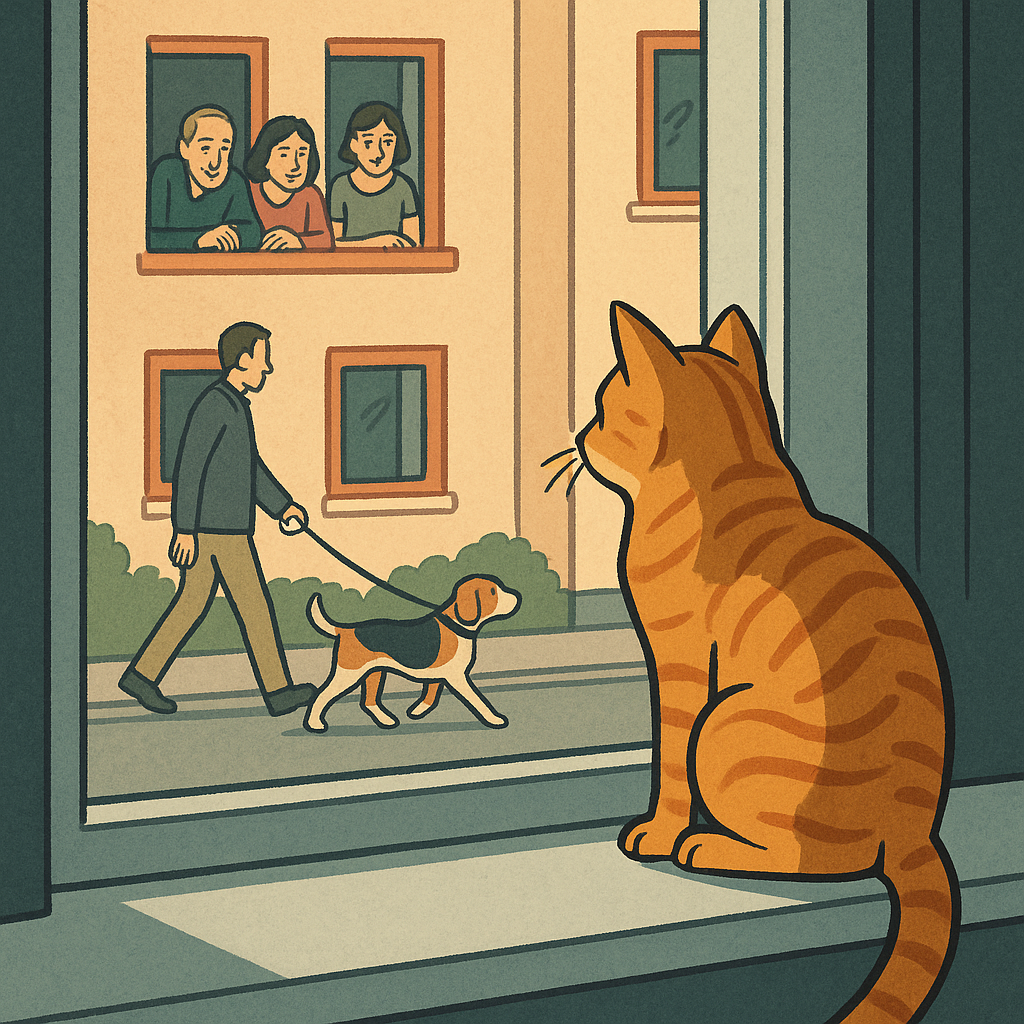
KEEPING PETS INSIDE APARTMENT BUILDINGS AND ITS LEGAL IMPLICATIONS
LEGAL ASPECTS OF KEEPING PETS INSIDE AN APARTMENT BUILDING
Apartment living refers to a type of collective housing where different individuals live together. In these shared living spaces, respect for individuals' privacy is essential, as is adherence to community order and the rights of other residents. Keeping pets in apartment buildings is a frequently encountered source of disputes in this context. This article will examine the legal aspects and penalties for keeping pets in apartment buildings, within the framework of the Condominium Law and other relevant legislation.
I. EVALUATION WITHIN THE FRAMEWORK OF THE CONDOMINIUM LAW
A. Article 18 of the Condominium Law and Rules for Communal Living
Article 18 of the Condominium Law stipulates that condominium owners do not have the right to use each other in a way that is disturbing to one another
"Condominium owners are obligated to refrain from any behavior that would damage any part of the main property, especially the common areas, and to use them in a manner that does not disturb each other."
This provision states that keeping animals inside an apartment building is only permissible on the condition that it does not disturb other apartment owners. The concept of "disturbing" here has been clarified by Supreme Court rulings.
B. Management Plan and Prohibited Provisions
According to the Condominium Law, the apartment building management plan is practically a "constitution." If the management plan explicitly prohibits keeping animals, failure to comply with this rule constitutes a "violation of the management plan.".
However, Supreme Court precedents hold that even if prohibited in the management plan, the prohibition should not be strictly enforced if the animal being kept does not cause serious harm or disturbance to other owners.
🔹 Supreme Court 18th Civil Chamber, Case No. 2010/3545 E., Decision No. 2010/6361 K.:
“The prohibition of keeping pets in the management plan alone is not sufficient. In the specific case, since there is no concrete evidence that the pet disturbed others or caused hygiene problems, the eviction order is unlawful.”
II. IN THE CONTEXT OF THE LAW OF OBLIGATIONS
A. Tenant's Pet Keeping
Keeping pets in the rented property by the tenant may be considered a "breach of contract" under the Turkish Code of Obligations No. 6098. In particular, if the lease agreement explicitly prohibits keeping pets and the tenant keeps them anyway, the landlord may terminate the contract.
B. General Disturbance and Tort
Situations such as a pet constantly barking in an apartment building, spreading odors to other apartments, or posing a health risk may constitute a tort. According to Article 49 of the Turkish Code of Obligations, the injured party may claim moral and material damages.
III. CRIMINAL ASPECT: THE TURKISH PENAL CODE
Keeping a pet inside an apartment building is not directly a criminal offense. However, if the animal is left unsupervised, causes aggressive behavior, or behaves in a way that disturbs the peace, the Turkish Penal Code comes into play.
A. Turkish Penal Code Article 177 – Endangering Public Safety
"A person who endangers public safety by releasing another's animal shall be punished with imprisonment from six months to three years."
In particular, leaving aggressive dogs unattended can result in criminal liability under this article.
B. Turkish Penal Code Article 123 – Disturbing the Peace and Tranquility of Individuals
"A person who makes noise solely for the purpose of disturbing the peace and tranquility shall be sentenced to imprisonment for a period of three months to one year."
Situations such as an animal constantly making noise or barking may be grounds for complaint under this article. However, intent is sought here. The natural behavior of pets is not evaluated within this scope; however, continuous and uncontrollable disturbance may be subject to different assessments.
IV. LEGAL REMEDIES AND COURT DECISIONS
A. Lawsuit for Prevention of Interference in the Civil Court of Peace
An apartment resident who is disturbed by the presence of pets can file a lawsuit for injunctive relief under the "prevention of interference" clause. In this lawsuit, the degree of disturbance caused by the animal, the provisions of the management plan, and local customs are considered together.
B. Administrative Sanctions and the Role of Municipalities
Some municipalities issue regulations regarding keeping pets in apartment buildings. They may intervene, particularly in cases posing a health risk, as part of environmental protection measures. However, the mere presence of a pet does not warrant intervention.
V. RESPONSIBILITIES OF PET OWNERS
Those who keep animals are directly responsible for the harm caused by the animals, both under civil and criminal law. The Animal Protection Law No. 5199, while protecting the welfare of animals, also mandates the prevention of situations that endanger public health.
Furthermore, a decision by the apartment management to ban certain animal species (such as dangerous breeds like pitbulls) through a general assembly resolution may be legally valid. However, these decisions are also subject to judicial review.
CONCLUSION
Keeping pets in apartment buildings is not absolutely prohibited under the Turkish legal system. However, this freedom is not unlimited. Certain restrictions are imposed within the framework of the Condominium Law, the management plan, the Law of Obligations, and the Penal Code. The type and number of animals, the disturbance they cause, their hygiene status, and their impact on the common living order of the residents are among the key factors considered in court decisions.
It is essential to strike a balance between the right to own pets and the right of neighbors to peace and quiet. Pets, in particular, have a right to life, and this right must be considered alongside individuals' right to inviolability of their homes and lifestyles. However, maintaining social harmony and preserving peace in apartment living is equally important.
INTERN LAW FACULTY STUDENT
RAIN NEVER GETS TIRED


About Post Author
