
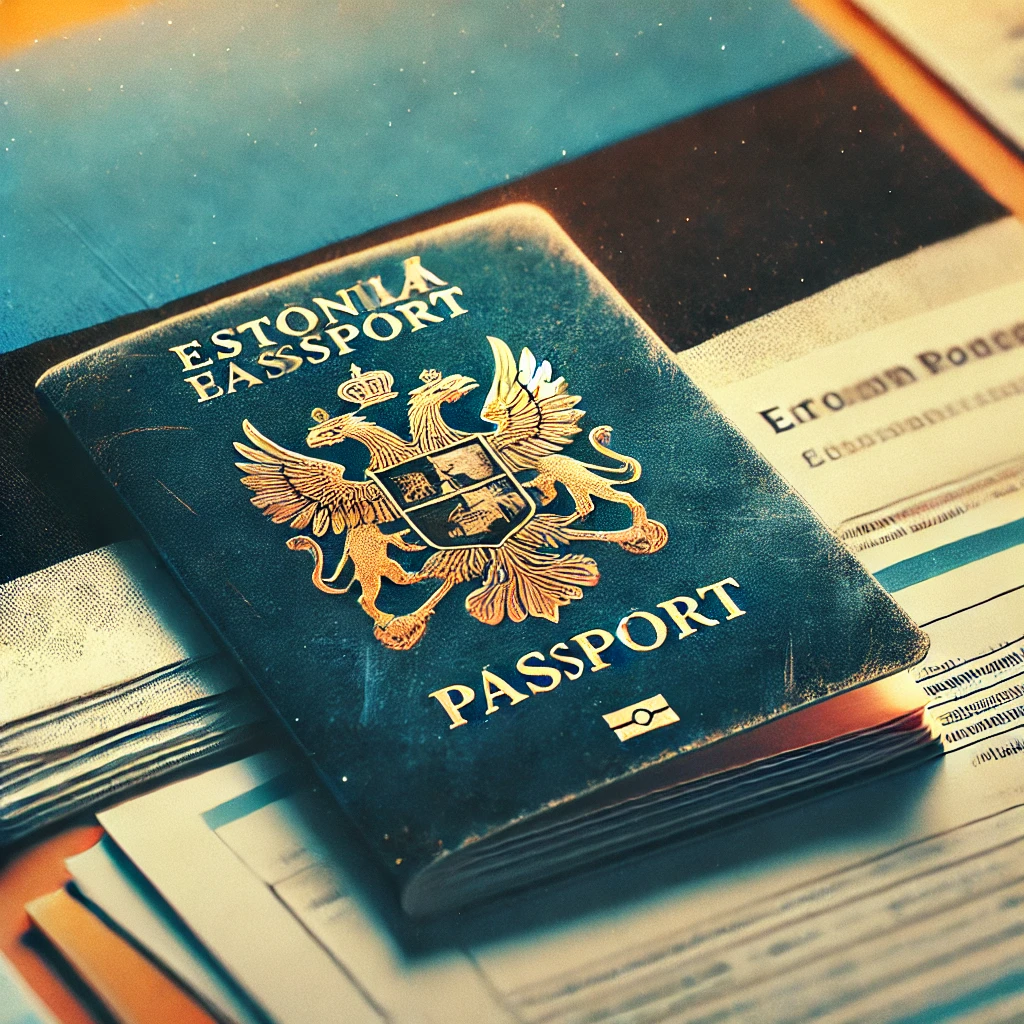
Estonian Citizenship Law: Who Can Apply?
Estonia is a member of the European Union and is notable for its digital citizenship programs. Individuals wishing to apply for Estonian citizenship must meet the requirements stipulated in the Estonian Citizenship Act. This article will detail the ways to obtain Estonian citizenship, application requirements, and processes.
1. Estonian Citizenship Law and Basic Principles
Estonian citizenship is based on blood ties (jus sanguinis) . However, it is possible to acquire citizenship through various means, such as birth, marriage, residency, and exceptional circumstances, provided certain conditions are met. Estonia generally does not allow dual citizenship , but in certain exceptional cases, dual citizenship may be retained.
2. Methods of Applying for Estonian Citizenship
a) Citizenship by Birth
If at least one of a person's parents is an Estonian citizen, that person automatically becomes an Estonian citizen at birth. Regardless of the place of birth, Estonian citizenship is transferred through the parents.
b) Citizenship through Adoption
Children adopted by an Estonian family can also automatically become Estonian citizens. The adoption must be completed within the legal framework, and the child must be under 15 years of age.
c) Citizenship through Long-Term Residency (Naturalization)
Individuals who have resided in Estonia for a long period and meet certain conditions can apply for citizenship. The requirements for application are as follows:
- Having legally resided in Estonia continuously for at least 8 years ,
- Having permanent residency status for the past 5 years ,
- Basic knowledge of the Estonian language (A2 level proficiency certificate required),
- Knowledge of the Estonian constitution and citizenship laws,
- Having a clean criminal record,
- Having a source of income that allows one to support oneself.
d) Citizenship through Marriage
In Estonia, individuals who marry an Estonian citizen do not automatically acquire citizenship through marriage. However, after completing their residency period . Therefore, marriage does not directly grant a right, but it can facilitate the residency permit process.
e) Exceptional Citizenship (Special Contributions)
The Estonian government may exceptionally grant citizenship to individuals who have made significant contributions to the country in science, art, sports, or other fields. This is entirely at the discretion of the state and differs from the usual application process.
3. Application Process
Individuals applying for citizenship must submit the necessary documents to the Estonian Police and Border Guard Agency (Politsei-ja Piirivalveamet) . The following documents are required during the application process:
- Valid passport,
- Permanent residence permit document,
- Estonian language proficiency test result,
- Result of the Estonian constitution and citizenship laws test,
- Documents showing income status,
- Criminal record certificate.
After the applications are evaluated, those deemed suitable the citizenship oath and become Estonian citizens.
4. Dual Citizenship Status
Estonia generally does not allow dual citizenship. If a person acquires citizenship of another country, they risk losing their Estonian citizenship. However, there is an exception for those who hold dual citizenship by birth.
5. Conclusion
Individuals wishing to apply for Estonian citizenship should carefully examine the application procedures and requirements. Assessment of long-term residency, language proficiency, and legal knowledge through examinations are key stages in the process of acquiring Estonian citizenship. Furthermore, caution should be exercised regarding dual citizenship, and relevant laws should be thoroughly researched. While Estonia's digitalization and innovative structurehave made citizenship applications more accessible, it is crucial that applicants fully comply with all legal obligations.


About Post Author
