
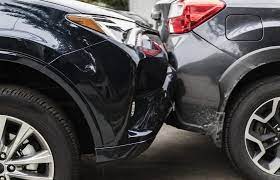
Comprehensive Car Insurance
In our daily lives, we are forced to use many technological devices that make our lives easier. In fact, this use has become more than just a convenience; it has become an indispensable, essential need. While the term "technological devices" might seem narrow in its definition of things needed in human life, we can broadly include not only technological devices but also any movable or immovable property of material or spiritual importance in human life. Just as we need to use these things, we also need to protect them. Because the absence of these things, which are so important for human life, make our daily tasks easier, or are essential for our survival, can lead to very serious problems. For example, the need for shelter, a necessary need, is a right that every person should benefit from, both from a human rights perspective and as a requirement of a social state. Similarly, when we acquire real estate as a result of this need for shelter, we want to prevent any negative consequences that might arise in that property. However, to at least financially prevent potential damages, the concepts of insurance and comprehensive insurance have emerged today. While there are differences between these concepts, a detailed examination reveals that their purpose is essentially the same. Using motor vehicles as an example will make it easier to understand and more relevant to our topic. It is possible to obtain both traffic insurance and comprehensive insurance for motor vehicles. While traffic insurance is mandatory under the Highway Traffic Law, there is no obligation to obtain comprehensive insurance for motor vehicles. The reason insurance is mandatory for motor vehicles is related to covering damages we cause to third parties, rather than damages we ourselves suffer. However, with comprehensive insurance, we can cover damages to our own vehicle.
What is comprehensive car insurance?
Officially called Motor Vehicle Comprehensive Insurance, but commonly known simply as "Kasko," Kasko is a type of insurance that allows motor vehicle owners to have any damage to their vehicles covered by the insurance company free of charge, through pre-purchased insurance. The cost of Kasko insurance varies depending on the value of the vehicle, and the services you can benefit from also differ according to the contract you sign. In the broadest sense, the services you can benefit from through Kasko include situations such as accidents, fires, floods, and terrorist incidents, as well as more specific situations like roadside assistance, legal protection, and even lost keys.
The Difference Between Comprehensive and Compulsory Motor Insurance
Many people today confuse comprehensive car insurance (kasko) with compulsory traffic insurance (fatal traffic insurance), even believing them to be the same. However, while comprehensive and compulsory traffic insurance share similarities in terms of the values they protect, they are two types of insurance with significant differences. Firstly, compulsory traffic insurance is mandatory for every motor vehicle on the road, but this is not the case for comprehensive insurance; vehicle owners are not obligated to purchase it. Secondly, there is a difference in the scope of these two types of insurance. Compulsory traffic insurance covers damages caused to the other party or third parties in the event of a traffic accident. This is why compulsory traffic insurance is mandatory. It aims to protect the other party in the event of an accident. Comprehensive car insurance, on the other hand, covers damages to our own vehicle, independent of the other party. It covers all types of damage that may occur to our vehicle in the event of an accident, natural disasters, terrorist incidents, floods, etc. Another difference lies in the premium. The premium limit for compulsory traffic insurance is determined by the state, while the premium for comprehensive car insurance varies depending on the scope of the policy.


About Post Author
