
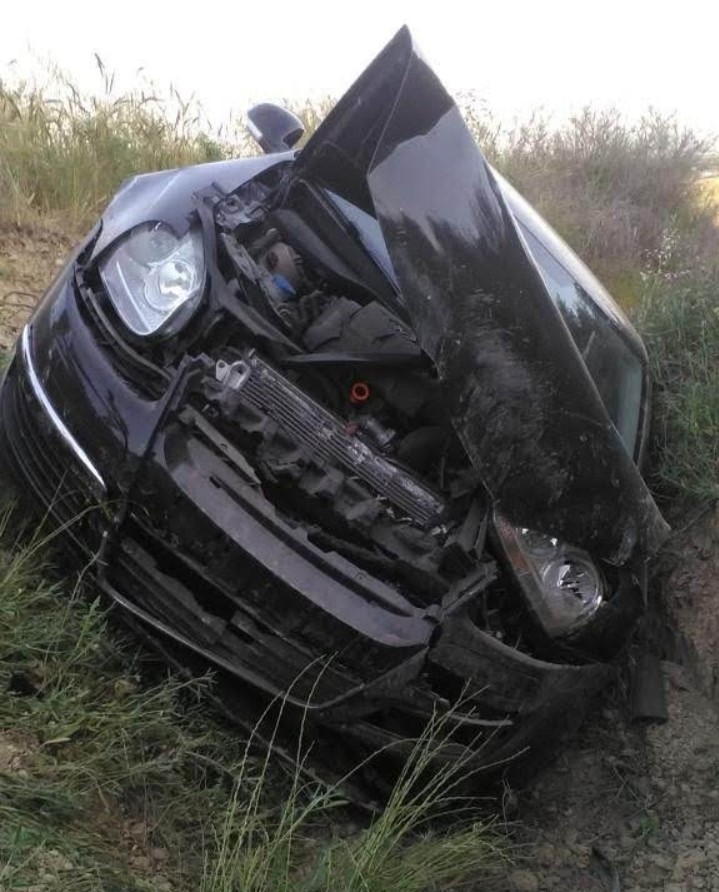
Compensation for Damages
What does Damage Difference Compensation mean?
In cases of damage resulting from traffic accidents, the insurance company will naturally be held liable. The insurance company may pay compensation to restore the damaged vehicle to its original condition, or it may contract with a repair shop that provides identical repairs. The cost of repairing this damage is called 'Damage Compensation,' while the difference in compensation arises from the cost of the repair, depending on how the repair is performed.
What are the conditions for compensation for damages, and against whom should the compensation lawsuit be filed?
First, we must emphasize that the service center contracted by the insurance company is now obligated to repair the vehicle and deliver it to the owner in a repaired condition. This is because the contracted service center is our primary point of contact for addressing technical damages. Essentially, the concept of 'damage difference compensation' has emerged as a matter of addressing these technical damages and repair costs. In some cases, these service centers may repair a part that needs replacing, or they may replace a part that should have been replaced with an original part with a part of lower quality. Or, similar situations are commonplace in the course of life. Therefore, the difference between the repair cost calculated using aftermarket parts instead of original parts and the repair cost using original parts is called 'Damage Difference' in our legal system. Article B.2, titled 'Payment of Compensation and Expenses,' of the General Conditions of Compulsory Motor Vehicle Liability Insurance relates to the replacement of the damaged part. The aforementioned clause prioritizes replacement with original parts in the initial stage of repair, but if original parts are unavailable, replacement will be done with original parts obtained from end-of-life vehicles. However, in practice, replacements are often done with aftermarket parts. If this occurs, the difference in price between the parts that should have been installed and those that were installed will need to be claimed. To claim compensation for this difference in damages, certain conditions must be met: Firstly, the damaged part must be original. The vehicle must not have previously sustained damage in the same area. The repair must have been carried out with equivalent or aftermarket parts. Secondly, if two years have not passed since the date of the accident, the individual is entitled to claim compensation for this difference in damages. This compensation claim must be directed against the insurance company that ordered the repair, as it is the insurance company that made the repair decision.
So, how do we determine and claim the difference in damages?
To claim compensation for the difference in damages, the expert report must be reviewed, and the existence of a difference in damages must first be determined. The insurance company, from whom we will request the determined difference in cost, sometimes wants to evade responsibility. They may claim they are not liable because a prior "repair by mutual consent" was signed by one of the parties. However, we must state that this document has no legal validity. As stated in Article 111 of the Highway Traffic Law, agreements that eliminate or reduce legal responsibility are invalid. Furthermore, an insurance company cannot simply assign this task to a contracted service and then ignore the matter. This is because insurance companies must always examine and investigate whether the repair service provided complies with the law and regulations. Another important responsibility of the insurance company is to check whether the repair work violates the rights of the parties. If a violation of rights is determined and proven, as we have explained, the insurance company can be requested to pay both the "difference in damages" and the "installation of the appropriate part."


About Post Author
