
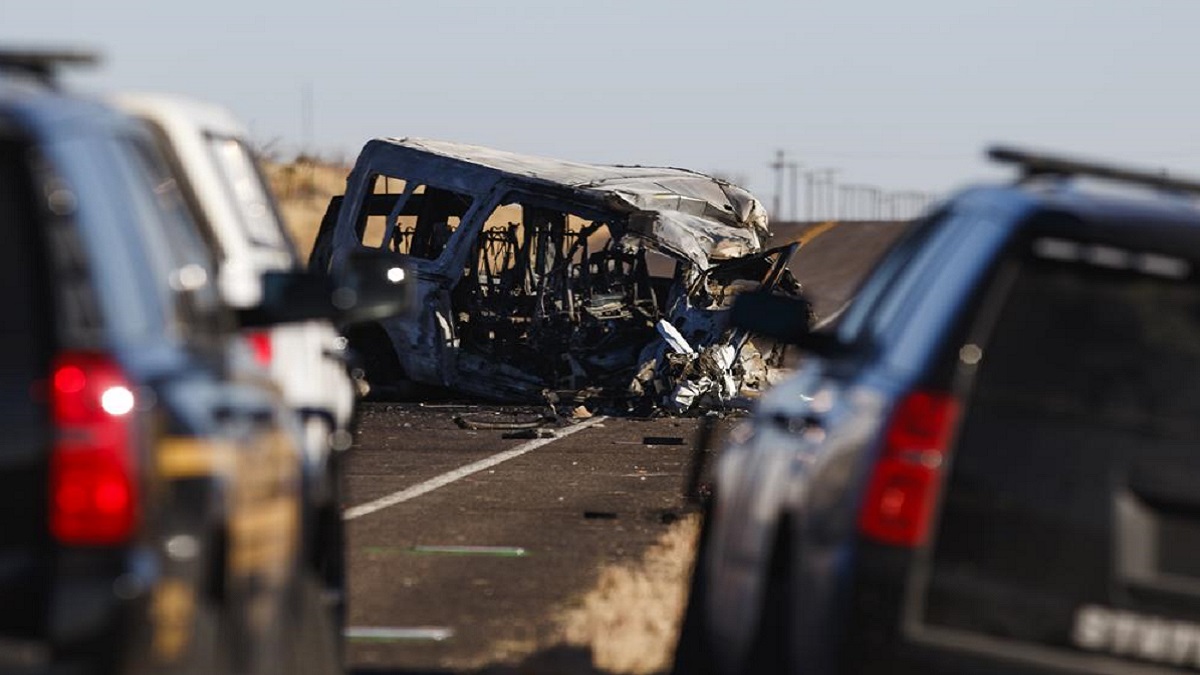
Compensation for Non-Pecuniary Damages Arising from Traffic Accidents
Non-pecuniary damages are a type of compensation that can be claimed for emotional or psychological harm suffered by a person.
Victims of traffic accidents can claim compensation for emotional distress, including pain, suffering, fear, depression, and sadness, caused by the accident. Additionally, in cases of organ loss or inability to perform vital functions as a result of the accident, the victim's relatives can also file a lawsuit. The victim's relatives include close family members such as parents, children, fiancé(e), and spouse.
The lawsuit can be filed against the driver, vehicle owner, vehicle operator, or insurance company.
The injured party must file a compensation lawsuit within two years of learning about the perpetrator and the damages. This lawsuit can be filed at most 10 years after the incident. If death occurred as a result of the accident, the deceased's relatives must file a lawsuit within two years of the date of death. If a crime such as manslaughter or injury was committed as a result of the accident, the lawsuit must be filed according to the statute of limitations for that specific crime.
To claim compensation for emotional distress in traffic accidents, the emotional harm caused by the accident must be documented. This documentation can be done through witness statements, medical reports, psychological counseling reports, and other evidence.
The Civil Court of First Instance has jurisdiction in these cases. If compensation is to be claimed from the insurance company, the Commercial Court of First Instance has jurisdiction.
No sanction other than money can be determined as compensation. This money is not a penalty.
Claims for moral damages should not be used as a means of unjust enrichment. The decision will be made based on the magnitude of the damage, the degree of fault of the parties, etc


About Post Author
