


A summons to give a statement, police custody, a request for detention, or an indictment may directly affect a person’s liberty, work and future. Time limits in criminal proceedings are short, and a statement given at the initial stage may determine the later course of the file. For the injured party, it is also important not to miss complaint and objection time limits.
On this page, we summarise the stages of criminal proceedings, time limits for legal remedies, and commonly encountered legal institutions. Our office is based in Istanbul (Küçükçekmece) and acts as defence counsel and legal representative in criminal investigations and prosecutions for suspects, defendants and victims.
What work do we handle in this area?
- Acting as defence counsel during statements before the police and the public prosecutor
- Objections to police custody, detention and judicial control decisions; release applications
- Defence counsel representation for defendants before the criminal court of first instance and the assize court
- Representation of victims and complainants: complaints, intervention in the proceedings, objection to a decision not to prosecute
- Mediation process, effective remorse and compensation for loss
- Appeal and cassation appeal applications
- Fraud, drug, cybercrime and traffic offences
- Compensation claims connected to a criminal file
Investigation stage: statement, police custody, detention
An investigation begins when suspicion of an offence becomes known and ends when the public prosecutor either issues an indictment or decides not to prosecute.
Statement and the right to a lawyer. Before a statement is taken, the offence imputed to the person is explained. The following rights are also explained (Code of Criminal Procedure (CMK) Art. 147):
- the right to choose defence counsel and to have defence counsel present during the statement
- the right to remain silent, that is, the right not to make a statement regarding the alleged offence
- the right to request the collection of evidence in his or her favour
A statement taken by law enforcement without defence counsel present cannot be relied on as the basis of a judgment unless it is confirmed before a judge or court (CMK Art. 148/4). If the suspect is a child, is disabled to such an extent as to be unable to defend himself or herself, or if the alleged offence carries a minimum prison sentence of more than five years, defence counsel is appointed by the bar association without any request being required (CMK Art. 150).
Police custody. Excluding the compulsory time required to bring the person before the judge nearest to the place of arrest (no more than twelve hours), the custody period may not exceed twenty-four hours from the time of arrest. In offences committed collectively, the public prosecutor may extend this period by three days, each extension being no more than one day at a time (CMK Art. 91). Special rules may exist for certain types of offences, such as terrorism offences. An application may be made against a custody decision to the Criminal Judgeship of Peace.
Detention. Detention requires strong suspicion of an offence and a detention ground such as risk of absconding or tampering with evidence. The measure must also be proportionate, and it must be reasoned why judicial control would be insufficient (CMK Arts. 100–101).
- Objection to detention: An objection may be filed against the decision. As no separate time limit is provided by law, the general objection period of two weeks applies (CMK Arts. 101/5, 268).
- Application for release: Release may be requested at any stage on the basis that the grounds for detention no longer exist.
- Judicial control: Measures such as an international travel ban or a reporting obligation are a lighter alternative to detention.
Prosecution stage: indictment and hearing
The prosecution stage begins when the court accepts the indictment. Certain offences listed in the law, as well as offences punishable by aggravated life imprisonment, life imprisonment, and imprisonment exceeding ten years, are heard before the assize court, while others are, as a rule, heard before the criminal court of first instance (Law No. 5235 Arts. 11–12).
At the hearing, the defendant is examined, witnesses are heard, and expert reports and digital evidence are discussed. The defence reviews whether the evidence was obtained lawfully, whether there are inconsistent statements, and whether favourable evidence has been collected. The trial ends with a decision such as acquittal, conviction, deferment of the announcement of the verdict (HAGB), or dismissal.
HAGB, mediation, effective remorse and alternative sanctions
Deferment of the announcement of the verdict (HAGB). According to CMK Art. 231, as re-regulated by the 12th Judicial Package (Law No. 7589):
- The sentence imposed must be imprisonment for two years or less or a judicial fine.
- The defendant must not previously have been convicted of an intentional offence.
- The court must form the view that the defendant will not reoffend.
- The loss arising from the offence must be fully compensated. If it cannot be compensated immediately, the decision may still be given on condition that it is paid in monthly instalments during the probation period.
- The defendant is subject to a five-year probation period. If no new intentional offence is committed and the obligations are complied with during this period, the case is dismissed.
- An appeal may now be filed against an HAGB decision.
Mediation. In offences prosecuted upon complaint and certain offences listed in the law (for example, simple intentional injury, negligent injury, the basic form of threat, unlawful entry into a dwelling, theft, and the basic form of fraud), the file is first referred to a mediator. Mediation is not available for insult, persistent stalking, and offences against sexual inviolability. If no response is given to the settlement proposal within seven days, the proposal is deemed rejected (CMK Art. 253).
Effective remorse. In property offences such as theft, fraud and breach of trust, a sentence reduction is applied if the loss is fully compensated. The reduction is greater if the loss is compensated before the prosecution stage begins (Turkish Penal Code (TCK) Art. 168). For some offences, the law also provides special effective-remorse provisions.
Alternative sanctions and suspension. A prison sentence of one year or less is a short-term term of imprisonment. This sentence may be converted into a judicial fine or other alternative sanctions (TCK Arts. 49–50). A prison sentence of two years or less may be suspended if the legal conditions are met (TCK Art. 51).
Common types of offences
- Fraud (TCK Arts. 157–158): Fraud committed by using information systems or banks as an instrument is regarded as an aggravated form. Law No. 7589 provides that where participation consists solely of allowing another person to use one’s bank account or card, the sentence will be reduced by half (TCK Art. 158/4).
- Drugs (TCK Arts. 188, 191): Possession for personal use and trafficking are separate offences. In the case of the use offence, as a rule, the filing of a public prosecution is deferred for five years and probation is applied during this period; if the obligations are breached, a prosecution is brought (TCK Art. 191).
- Cybercrimes (TCK Arts. 243–245): Unauthorised access to a system, damaging data, misuse of bank or credit cards. For details: Information Technology Law
- Traffic offences: Endangering traffic safety (TCK Art. 179), negligent injury and negligent homicide. For the compensation aspect of an accident: Insurance and Compensation Law
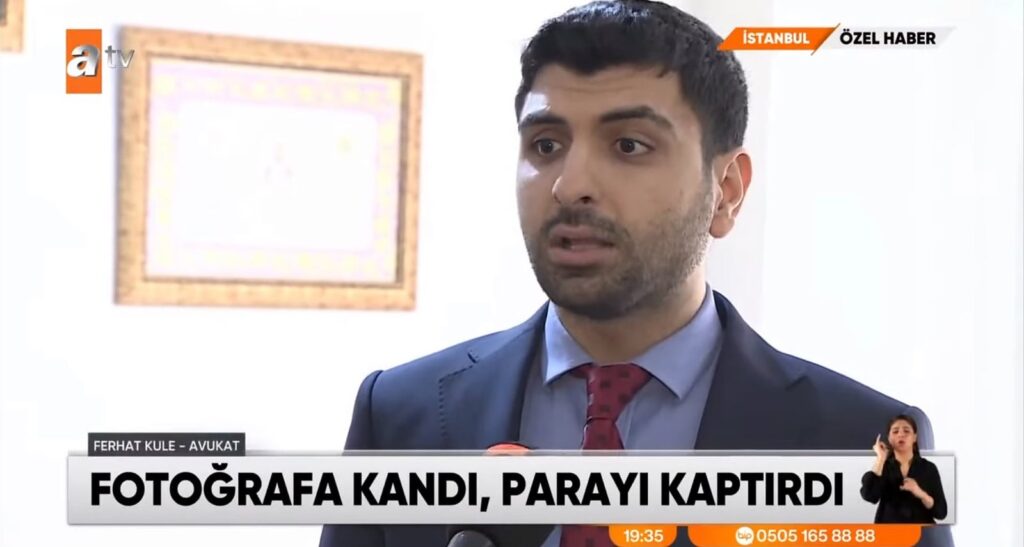
Representation of victims and complainants, complaint periods
- Complaint period: In offences prosecuted upon complaint, the complaint must be made within six months from the day on which the act and the offender become known. In the offence of insult, this period may not in any event exceed two years from the act (TCK Art. 73).
- Offences not prosecuted upon complaint: The public prosecutor investigates ex officio. Even so, it is important to submit evidence completely when making a criminal complaint.
- Decision not to prosecute: The injured party may file an objection with the Criminal Judgeship of Peace within two weeks of service of the decision (CMK Art. 173).
- Intervention in the proceedings: The victim may intervene in the public prosecution until judgment is given by the first-instance court (CMK Art. 237). The status of intervening party confers the right to use legal remedies.
Legal remedies and time limits
| Decision | Legal remedy | Time limit |
|---|---|---|
| Judge’s decisions (detention, judicial control, seizure, etc.) | Objection | Two weeks from becoming aware of it (CMK Art. 268) |
| First-instance court judgment | Appeal | Two weeks from service of the reasoned judgment (CMK Art. 273) |
| Regional court of appeal decision | Cassation appeal | Two weeks from service of the reasoned judgment (CMK Art. 291) |
With the amendment made in 2024, these periods were changed from “seven days from the announcement of the judgment” to “two weeks from service of the reasoned judgment”. The right of appeal may be unavailable for certain decisions deemed final by law and for judicial fines below a specified monetary threshold.
How does the process work?
- Initial meeting: The allegation, the statement or hearing date, and the documents you have are discussed. If there is police custody or a summons to give a statement, priority is given.
- File review: The investigation file is reviewed unless there is a restriction order (CMK Art. 153). Evidence and witness statements are assessed.
- Defence strategy: It is determined whether to exercise the right to remain silent or make a statement, what favourable evidence should be requested, and whether mediation or compensation for loss are options.
- Hearings: The defence, objections to evidence, and the defence on the merits are prepared.
- Decision and legal remedy: The reasoned decision is reviewed; an appeal or cassation appeal is considered within the two-week period.
Documents to be prepared
- If available, summons to give a statement, notification, indictment, or hearing records
- Correspondence, messages, bank receipts, photographs and camera recordings relating to the incident
- Names and contact details of witnesses
- Medical reports (in injury allegations)
- Criminal record and information regarding previous criminal files
- If you are the victim: documents showing the loss and known information about the offender
Common mistakes
- Giving a detailed statement to the police without seeing the file and without consulting a lawyer
- Not taking a summons to give a statement seriously; not knowing that a compulsory attendance order may be issued if you do not go
- Missing the complaint period or the time limit for objecting to a decision not to prosecute
- Thinking that the appeal and cassation appeal period is still seven days, or not tracking the notification date
- Posting about the incident on social media or contacting the other side
- Assessing too late the effect of compensating the loss for HAGB, effective remorse and mediation
Frequently asked questions
Is a lawyer required when going to give a statement?
As a rule, it is not mandatory; however, every suspect has the right to benefit from the assistance of defence counsel. Defence counsel is mandatory for children and in offences carrying a minimum prison sentence of more than five years. A statement given to the police without a lawyer cannot be relied on as the basis of a judgment unless it is confirmed before a judge.
How long is the custody period?
It is twenty-four hours from the time of arrest; the time required to bring the person before the judge (up to twelve hours) is not included. In collective offences, the public prosecutor may extend the period daily for three days. Special rules may exist for certain types of offences.
How do you object to a detention order?
An objection is filed by petition with the Criminal Judgeship of Peace or the court that issued the decision; the time limit is two weeks. As a rule, objections to decisions of the Criminal Judgeship of Peace are examined by the next Criminal Judgeship of Peace in numerical order. In addition, release may be requested at any stage.
Will HAGB appear on a criminal record?
An HAGB decision is recorded not on the criminal record itself, but in a separate system specific to such decisions. This record may be seen only by the public prosecutor, judge or court in connection with an investigation or prosecution. For this reason, it does not appear on the criminal record certificate. If the five-year probation period passes with good conduct, the case is dismissed.
For which offences is mediation possible?
For offences prosecuted upon complaint and certain offences listed in the law; for example, simple intentional injury, negligent injury, threat, unlawful entry into a dwelling, theft and simple fraud. Mediation is not available for insult, persistent stalking and sexual offences.
How long is the appeal period?
It is two weeks from service of the reasoned judgment (CMK Art. 273). The cassation appeal period is also two weeks from service, with reasons, of the regional court of appeal decision.
Related articles
- Conditions for Deferment of the Announcement of the Verdict (HAGB)
- What Is the Difference Between Arrest and Police Custody?
- The Suspect’s Right to Remain Silent: When to Stay Silent and When to Make a Statement?
- How and Where to Object to a Detention Order?
- What Is the Difference Between Investigation and Prosecution?
- Complaint and Withdrawal of Complaint in a Public Prosecution
- What Should Fraud Victims Do? Can the Money Be Recovered?
- Can a Compensation Claim Be Brought After a Criminal Case?
- Information Technology Law · Insurance and Compensation Law
Contact
You can reach us via our contact page to discuss your criminal investigation or case.
- Istanbul: Kartaltepe Mah. Süvari Cad. Torkam E5 Residence A Block No: 21, Sefaköy, Küçükçekmece. Tel: +90 212 579 79 85.
This page is for general information purposes only and does not constitute legal advice for your specific situation. Legislation and case law may change; before taking action, please assess the current position with a lawyer.